

3 No-Heat Emergencies and How to Handle Them
Winter nights in Hurricane, UT, can be deceptive. While our days often remain clear and bright, the desert air loses its warmth rapidly once the sun sets behind the red cliffs. During these cold snaps, your furnace or heat pump is the only thing standing between your family and a very long, uncomfortable night. A no-heat emergency occurs when your heating system fails completely during a period of extreme cold, creating a situation that is more than just an inconvenience. It can be a genuine safety concern, especially for households with infants, elderly residents, or pets.
When the vents go cold and the house temperature begins to plummet, it is easy to feel a sense of panic. However, many emergency situations can be managed or even resolved with a calm, systematic approach. Understanding the difference between a simple fix you can perform yourself and a complex mechanical failure that requires professional intervention is the first step in regaining control of your home’s environment. Being prepared for these scenarios before they happen allows you to act decisively, protecting your property from freezing pipes and your family from the biting winter chill.
Investigating Power Loss and Thermostat Failures
The most common no-heat emergency often starts with a silent thermostat. You might notice the house feels chilly, and when you go to check the temperature, you find a blank screen or a device that is unresponsive to your touch. This is frequently caused by a loss of power, either to the thermostat itself or to the entire HVAC system. While it feels like a major disaster, it is often rooted in a simple electrical disconnect. Before you assume the furnace has burned out, you must verify the path of electricity from the wall to the unit.
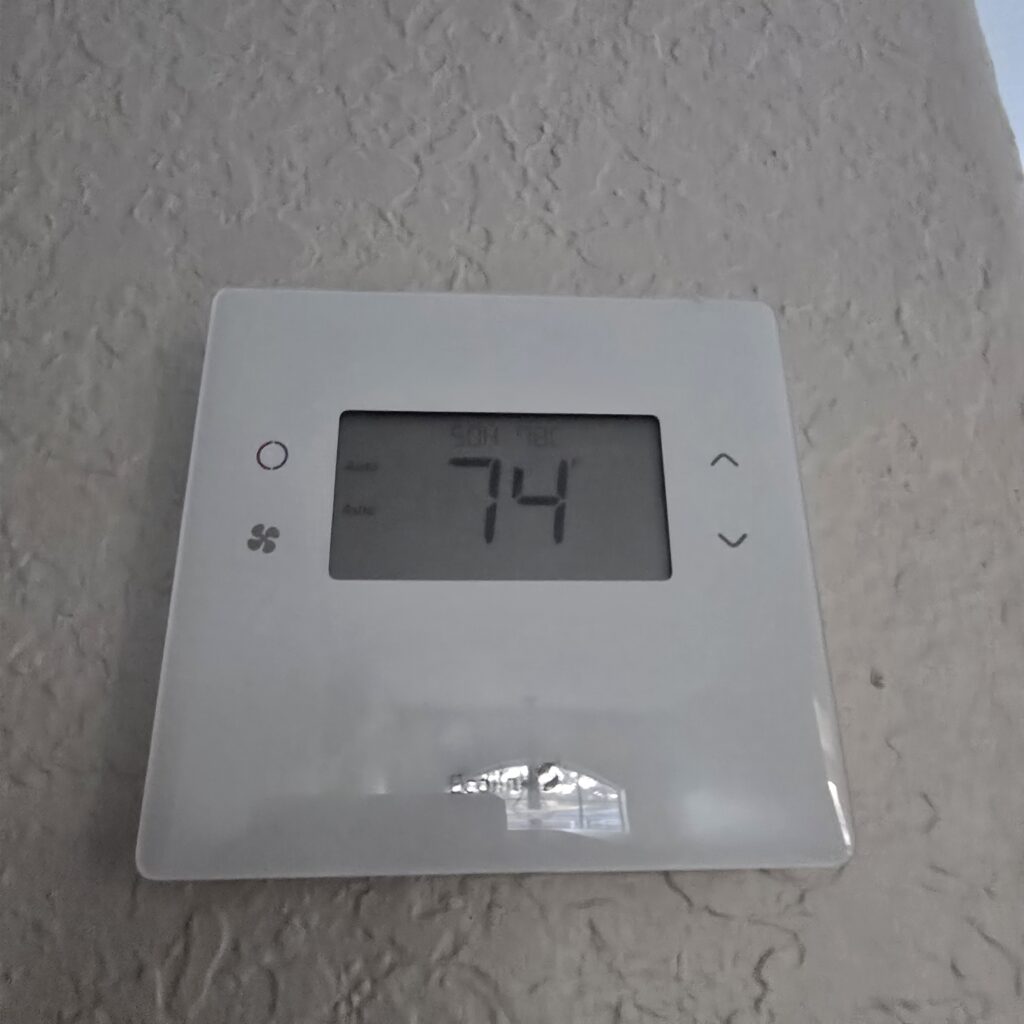
Start by checking the batteries in your thermostat. Many homeowners forget that their thermostats require independent power to send signals to the furnace. If the batteries die, the communication link is broken, and your heater will never receive the command to turn on. If the batteries are fresh but the screen is still blank, the next step is the circuit breaker panel. Heating systems pull a significant amount of electricity, and a sudden surge or a strained motor can trip a breaker. Flipping the switch back to the on position may restore your heat instantly.
If the breakers are fine, check the physical power switch located near your furnace. This switch often looks like a standard light switch and can be accidentally flipped by someone moving boxes or cleaning the utility area. If this switch is off, the furnace will have no power to operate its blowers or ignitors. If you have verified all these power sources and the system still refuses to engage, the problem likely lies within the furnace’s internal transformer or control board. At this stage, the situation has moved beyond a simple DIY fix and requires professional expertise.
Addressing Gas Supply and Ignition Issues
For homes in Southern Utah that rely on natural gas or propane furnaces, an ignition failure is a serious emergency. This occurs when the furnace attempts to start, you hear the clicking of the ignitor or the hum of the inducer motor, but no heat follows. This can be caused by a variety of issues ranging from a closed gas valve to a dirty flame sensor. If the furnace cannot safely confirm that a flame has been established, its onboard safety computer will shut the system down to prevent unburned gas from accumulating in your home.
Need your furnace repaired? Click here for our furnace repair service.
The first thing to verify is that your gas supply is active. If you have other gas appliances, like a water heater or stove, check to see if they are functioning. If they are not, the issue may be with the utility provider or a main shut-off valve outside the home. If other appliances are working, ensure the gas valve leading specifically to the furnace is in the open position. Sometimes these valves are bumped during home maintenance. If the gas is on but the furnace still won’t light, you may be dealing with a faulty hot surface ignitor, which is a component that glows to light the gas. These parts have a limited lifespan and often crack after several seasons of use.
A common culprit for intermittent ignition is a dirty flame sensor. This small metal rod detects the heat of the fire and tells the furnace it is safe to keep the gas flowing. Over time, carbon buildup can insulate the sensor, preventing it from detecting the flame. The furnace will light for a few seconds and then shut off immediately. While some homeowners attempt to clean this themselves, it is a delicate part that is easily damaged. If your furnace is cycling on and off rapidly without producing lasting heat, it is a sign that the safety systems are struggling and requires professional attention.
Managing Airflow Restrictions and Safety Lockouts
Perhaps the most frustrating no-heat emergency is when the furnace appears to be running, but the air coming out of the vents is cold or nonexistent. This is usually the result of a safety lockout triggered by restricted airflow. Your furnace is designed to move a specific amount of air over its heat exchanger to stay cool. If that airflow is blocked, the heat exchanger will quickly reach temperatures that exceed its safety limits. To prevent a fire or a cracked heat exchanger, a limit switch will cut the power to the burners while keeping the blower running to cool the unit down.

The primary cause of this emergency is a severely clogged air filter. If you haven’t changed your filter in several months, the buildup of dust and debris can act as a solid wall. The furnace suffocates, overheats, and enters a lockout mode. In many cases, replacing the filter and resetting the power to the furnace will resolve the issue. However, if the lockout continues, you must check your vents. Homeowners often close vents in unused rooms or cover them with furniture, not realizing that this unbalances the system and leads to the same overheating problems.
A more serious cause of airflow failure is a broken blower motor or a snapped fan belt. If the motor that moves the air fails, the heat has nowhere to go and the system will shut down almost immediately after ignition. You might hear a humming or buzzing sound coming from the furnace cabinet without any air movement at the registers. This is a true mechanical emergency because the furnace cannot function without its blower. Attempting to force the system to run in this condition can lead to permanent damage to the heat exchanger.
Navigating Heat Pump Specific Failures
Many residents in the Hurricane area utilize heat pumps, which face their own unique set of emergency scenarios. Unlike a gas furnace, a heat pump relies on the movement of refrigerant to provide warmth. If the outdoor unit becomes heavily encased in ice during a cold snap, it can lead to a total loss of heat. While heat pumps have a built-in defrost cycle, a failure in the defrost control board or a malfunctioning reversing valve can allow ice to build up until the unit can no longer breathe.
Want to know if your HVAC system is outdated? Click here for more information.
Another heat pump emergency involves the failure of the auxiliary or emergency heat strips. When the outdoor temperature drops below a certain point, the heat pump may no longer be able to extract enough heat from the air to keep the home warm. At this stage, the system relies on electric heat strips to make up the difference. If these strips have a blown fuse or a faulty sequencer, the heat pump will continue to run, but the air coming through the vents will feel lukewarm or cold, and the indoor temperature will steadily drop.
If you suspect your heat pump is failing, you can try switching your thermostat to the emergency heat setting. This bypasses the outdoor unit and relies entirely on the electric strips. If the air warms up, you have confirmed the problem is with the outdoor unit. If it remains cold, the backup heating elements are likely the problem. Both situations require a professional technician to handle the high-voltage electrical components and refrigerant levels necessary for a safe repair.
Implementing Emergency Heat Conservation Strategies
When a repair technician cannot arrive immediately, your primary goal is to preserve the heat currently inside your home. A no-heat emergency is a race against time, as the structure will slowly lose its thermal energy to the cold desert night. The more you can slow this process, the safer and more comfortable your family will be. Start by identifying the most central room in the house or the one with the best insulation and gather everyone there. This concentrates body heat and makes it easier to keep a single space warm with alternative methods.
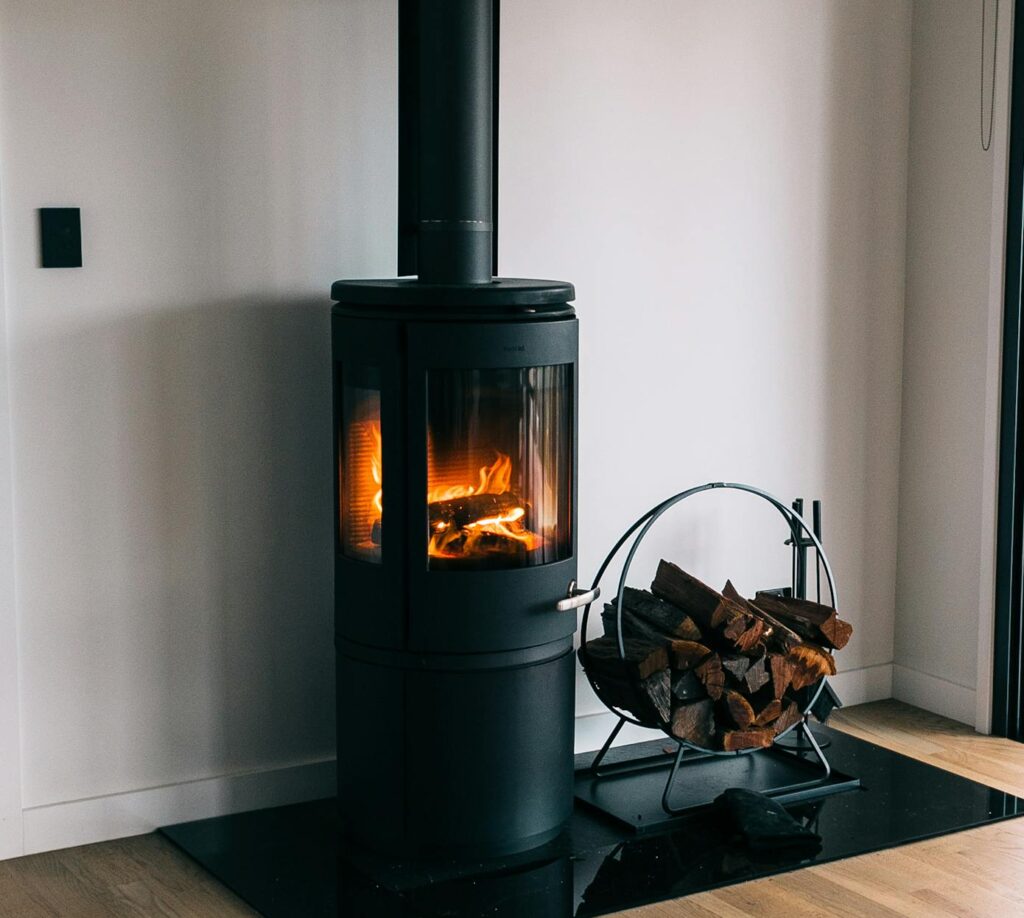
Keep all doors to unused rooms closed and use towels or blankets to block the gaps at the bottom of exterior doors. If you have heavy curtains or drapes, keep them closed to add an extra layer of insulation over the windows. Conversely, if the sun is out during the day, open the curtains on south-facing windows to allow the sun to naturally warm the space. Avoid using your kitchen oven or stove as a primary heat source, as this is a significant fire hazard and can lead to dangerous levels of carbon monoxide in an unventilated home.
If the temperature in the home drops toward the freezing mark, you must take steps to protect your plumbing. Open the cabinets under your sinks to allow the remaining indoor air to circulate around the pipes. You can also let your faucets drip slightly to keep water moving, which prevents the pressure buildup that leads to burst pipes. While you wait for Heatwave Solutions to arrive, focusing on these small conservation steps can prevent a heating emergency from turning into a much more expensive plumbing disaster.
Facing a no-heat emergency in the middle of a Hurricane winter is a test of any homeowner’s patience and preparedness. By understanding the common causes—electrical failure, ignition issues, airflow lockouts, and heat pump malfunctions—you can move from a state of panic to a state of action. Many of these situations have simple solutions like changing a battery or a filter, but others serve as a vital warning that your system needs professional care. The safety mechanisms built into your furnace are there for a reason, and if they are repeatedly shutting the system down, they are protecting your home from a much larger disaster.
If you find yourself in a situation where the basic troubleshooting steps do not restore your warmth, do not hesitate to seek help. Dealing with high-voltage electricity and combustible gas requires specialized training and equipment. The team at Heatwave Solutions is dedicated to keeping Hurricane families safe and warm throughout the winter season. We provide rapid, reliable emergency service to diagnose the root cause of your heating failure and get your system back online as quickly as possible. Stay proactive with your home maintenance, keep your filters clean, and remember that professional help is only a phone call away when the cold sets in.