

Furnace Not Keeping Up? Here’s What It Might Be

The desert winters in Hurricane, UT, can be surprisingly unforgiving. While we often think of Southern Utah as a place of endless sun and warmth, the temperature drops rapidly once the sun goes down, leaving homeowners reliant on their heating systems for safety and comfort. It is a common and frustrating experience to wake up in the middle of the night and realize that although the furnace is running, the house still feels chilly. When your thermostat is set to seventy degrees but the indoor temperature is stuck at sixty-two, it is a clear sign that your furnace is struggling to keep up with the demand.
This situation does not always mean that your furnace is completely broken. Often, it is a sign of a system that is being hindered by a specific mechanical or environmental factor. Identifying why a furnace is underperforming requires a systematic look at how air moves through your home and how the system generates heat. Addressing these issues early is vital because a furnace that cannot keep up is usually a furnace that is working itself toward a catastrophic failure. By understanding the common culprits, you can determine whether the solution is a simple home fix or if it is time to call in the professionals at Heatwave Solutions.
Restricted Airflow and Clogged Filters
The most frequent reason a furnace fails to maintain the desired temperature is surprisingly simple: it cannot breathe. Your heating system requires a massive volume of air to pass over the heat exchanger to transfer warmth into your living spaces. If that airflow is restricted, the furnace may generate heat, but it cannot effectively push that heat into your rooms. The first place any homeowner should look is the air filter. A filter that is caked with dust, pet dander, and desert grit acts as a physical barrier.
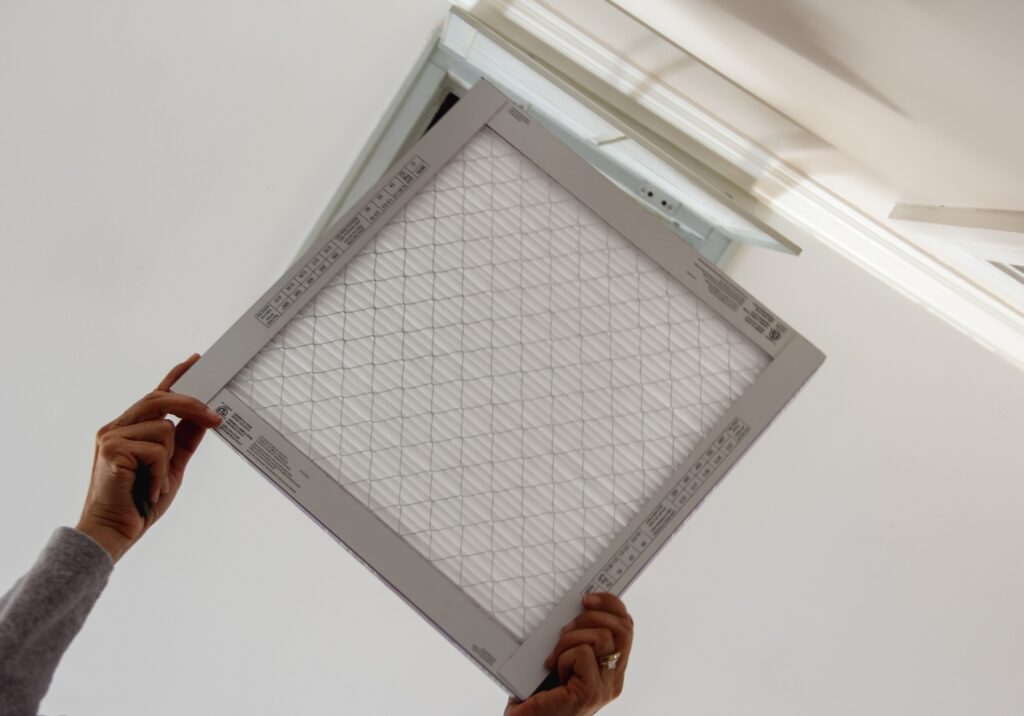
When the filter is clogged, the blower motor has to work much harder to pull air through the system. This leads to a significant drop in the volume of air coming out of your vents. Furthermore, the heat that is being generated inside the furnace has nowhere to go. This causes the internal temperature of the unit to rise dangerously high. Most modern furnaces are equipped with a high limit switch that will shut the burners off to prevent a fire if the system overheats. If your furnace is turning on and off frequently without warming the house, a dirty filter is almost certainly the cause.
Beyond the filter, you must also check the physical registers and return grilles throughout your home. It is common for furniture, heavy curtains, or rugs to accidentally block these vents. If you close off too many vents in an attempt to save energy in unused rooms, you are actually sabotaging the system’s performance. The furnace is designed to operate with a specific amount of backpressure. Restricting too many vents unbalances the system, reduces airflow, and can lead to the same overheating issues as a dirty filter. Ensuring all vents are open and clear is an essential first step in restoring your home’s warmth.
Thermostat Malfunctions and Ghost Readings
The thermostat is the brain of your HVAC system, and if the brain is getting the wrong information, the body will not perform correctly. Sometimes a furnace is not keeping up because the thermostat thinks the house is already warm enough. This often happens if the thermostat is located in a “hot spot” of the home. If your thermostat is mounted on a wall that receives direct sunlight or is located near a heat-producing appliance like a stove or a lamp, it will read a temperature that is much higher than the rest of the house.
Need your furnace replaced? Click here for our furnace installation service.
Another common thermostat issue is related to age and calibration. Older mechanical thermostats use mercury or metal coils that can lose their accuracy over time. If the thermostat is not level or if the internal components are coated in dust, it may shut the furnace down before the actual set point is reached. Even modern digital thermostats can suffer from sensor drift or poor wiring connections. If the communication between the thermostat and the furnace is intermittent, the system may not run long enough to thoroughly heat the structure.
Checking the batteries in your thermostat is a simple but overlooked maintenance task. Weak batteries can cause the screen to stay lit while the internal relays lack the power to send a consistent signal to the furnace. If you suspect your thermostat is the problem, try turning it up five degrees past your normal setting. If the furnace kicks on and stays on, the issue might be the placement or calibration of the device. Upgrading to a smart thermostat can often resolve these issues by providing more precise control and even using remote sensors to balance the temperature throughout the home.
Undersized Systems and Poor Insulation
If your furnace has always struggled to keep the house warm on the coldest days of the year, the problem might be the size of the unit itself. HVAC systems must be precisely sized for the square footage and thermal characteristics of the home. If a builder or a previous contractor installed a furnace that is too small for the space, it will simply lack the BTU capacity to overcome the heat loss during a Hurricane winter. An undersized furnace will run continuously, but it will never be able to reach the target temperature when the outdoor air is freezing.

The efficiency of your furnace is also heavily dependent on the “envelope” of your home. You can have the most powerful furnace in the world, but if your home is poorly insulated or full of air leaks, the heat will escape faster than the system can produce it. Many older homes in the area have thin attic insulation or drafty single-pane windows. Heat naturally rises, and without adequate attic insulation, that expensive warmth is escaping through your roof. This forces the furnace to work in a cycle of constant catch-up.
Checking for drafts around doors and windows is a proactive way to help your furnace. If you can feel cold air whistling in, your furnace is fighting a losing battle. Adding weatherstripping or upgrading your attic insulation can have a more significant impact on your comfort than almost any mechanical repair. When the home retains heat effectively, the furnace does not have to work as hard to maintain the set point. If you suspect your home’s insulation is the culprit, a professional energy audit can help identify the areas where you are losing the most heat.
Mechanical Wear and Component Failure
When a furnace is older or has not been properly maintained, mechanical parts can begin to fail, leading to reduced heating capacity. One common issue is a dirty or faulty flame sensor. The flame sensor is a safety device that tells the furnace it is safe to keep the gas valve open. If the sensor is coated in carbon buildup, it may not “see” the flame, causing the furnace to shut down almost immediately after it lights. This results in the blower blowing cool or lukewarm air because the burners aren’t staying on long enough to heat the exchanger.
Want to know how to see the early signs of HVAC issues? Click here for more information.
The blower motor itself can also be a source of trouble. If the motor is failing or if the capacitor is weak, the fan may not be spinning at the full required speed. This results in weak airflow that lacks the “push” necessary to reach the far corners of your home. You might notice that the rooms closest to the furnace are warm, while the bedrooms at the end of the hall remain freezing. This lack of air velocity is a sign that the motor is on its way out and needs professional attention before it fails completely.
Lastly, a cracked heat exchanger is a serious mechanical failure that can cause the furnace to underperform. If the heat exchanger is compromised, the system may shut down for safety, or it may lose efficiency as the combustion process is disrupted. More importantly, a cracked heat exchanger can leak carbon monoxide into your home. If your furnace is not keeping up and you notice strange smells or if your carbon monoxide detector goes off, you must shut the system down immediately and call Heatwave Solutions for an emergency inspection.
Ductwork Leaks and Design Flaws
The ductwork in your home is the highway that carries warm air from the furnace to your living spaces. If that highway is full of holes or is poorly designed, much of that heat will never reach its destination. It is estimated that the average home loses twenty to thirty percent of its conditioned air through leaks in the ductwork. If your ducts are located in an unconditioned attic or crawlspace and have become disconnected or torn, you are effectively paying to heat the outdoors.
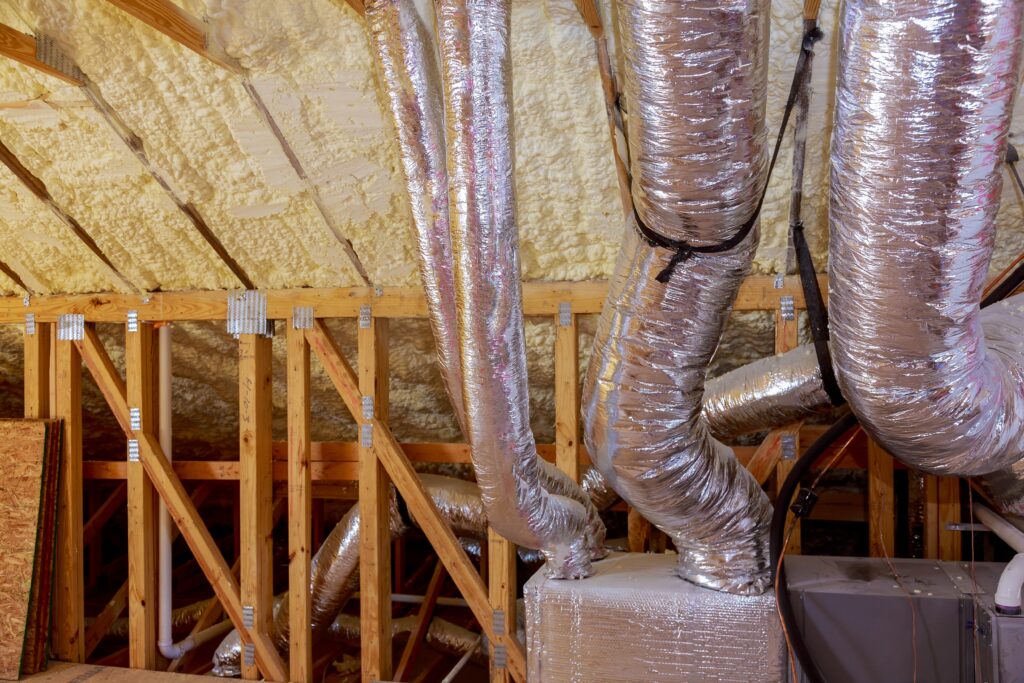
Ductwork leaks often occur at the joints or where the ducts connect to the registers. Over time, the mastic or foil tape used to seal these joints can dry out and fail. If you notice that some vents have very little air coming out while others are blowing strongly, it is a sign of a potential disconnect. In some cases, rodents in the attic or crawlspace can chew through flexible ductwork, creating massive gaps that swallow up all the warm air before it can enter the room.
The design of the ductwork also plays a role in how well the furnace keeps up. If the ducts were not sized correctly for the volume of the rooms they serve, the air will not be distributed evenly. This is especially common in home additions or remodels where the existing ductwork was simply tapped into without a proper load calculation. A professional duct inspection can identify these hidden leaks and design flaws, ensuring that the heat your furnace produces actually ends up where you need it most.
A furnace that cannot keep up with the cold is more than an inconvenience; it is a sign that your home’s comfort system is under significant stress. Whether the cause is a simple clogged filter, a misplaced thermostat, or more complex issues like ductwork leaks and mechanical failure, ignoring the problem will only lead to higher bills and eventual equipment failure. By taking a systematic approach to troubleshooting, you can often identify the primary cause of the chill in your home.
In the unique climate of Hurricane, UT, your heating system needs to be in top shape to handle the rapid temperature swings of the desert. Regular maintenance is the best defense against a furnace that struggles to perform. If you have checked your filters and vents but your home still feels cold, it is time for a professional evaluation. The experts at Heatwave Solutions are here to help you diagnose the root cause and restore the warmth and safety of your home. Do not settle for a house that never gets warm enough when a comfortable, efficient home is just a phone call away.