

Is Your Thermostat in the Right Spot?

The thermostat is the primary point of contact between you and your home comfort system. For most homeowners in Hurricane, UT, it is a device that is adjusted a few times a day and otherwise ignored. However, this small box is responsible for making critical decisions that affect your monthly utility bills, the lifespan of your HVAC equipment, and the overall comfort of your family. While we often focus on the power of the air conditioner or the efficiency of the furnace, the accuracy of the thermostat is just as important. If the thermostat is receiving incorrect information about the temperature of your home, it will force your system to work in ways that are inefficient and unnecessary.
Many comfort issues that seem like major mechanical failures are actually the result of poor thermostat placement. When a thermostat is installed in a location that does not represent the average temperature of the living space, it is known as a ghost reading. These readings trigger the system to turn on when it should be off, or stay off when you are shivering or sweating. Understanding the science of thermostat placement is essential for any homeowner who wants to maximize their energy savings and ensure their heating and cooling system operates exactly as intended.
The Problem with Direct Sunlight and Heat Sources
One of the most common mistakes in home construction or remodeling is placing the thermostat in a spot that looks aesthetically pleasing but is subject to external heat. In the bright, sunny environment of Southern Utah, solar heat gain is a significant factor. If your thermostat is mounted on a wall that receives direct sunlight through a window at any point during the day, it will become much warmer than the rest of the house. The thermostat’s internal sensor will detect this concentrated heat and signal the air conditioner to run constantly, even if the rest of the home is already perfectly cool.
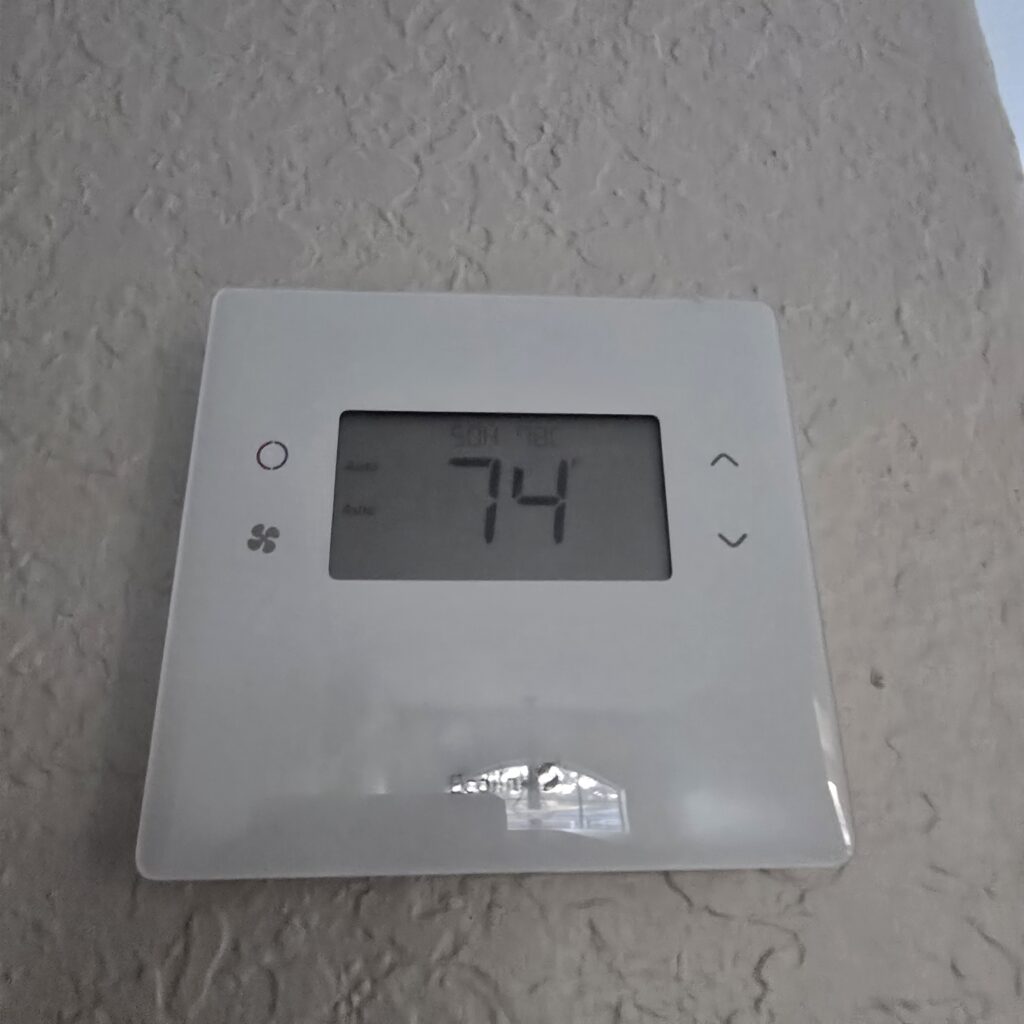
This leads to a situation where the bedrooms and kitchen feel like an icebox because the thermostat is responding to the sun hitting its plastic casing. In the winter, the opposite problem occurs. The sun warms the thermostat, making it think the house is warm enough, causing the furnace to stay off while the shadowed parts of the home become uncomfortably cold. This lack of balance is a direct result of the thermostat being unable to sense the true ambient temperature of the room.
Kitchens and laundry rooms are also poor locations for a thermostat. These areas are filled with heat generating appliances like ovens, stoves, and dryers. Every time you cook a meal or run a load of laundry, the temperature in the immediate vicinity of those appliances rises. If the thermostat is nearby, it will react to that temporary heat spike. This causes the air conditioner to kick on unnecessarily or the furnace to shut off prematurely. To get an accurate reading, the thermostat must be kept away from any localized heat sources that do not reflect the temperature of the entire living area.
Avoiding Drafts and Airflow Disruptions
Air movement is another variable that can easily trick a thermostat. For a thermostat to work correctly, it needs to measure the stagnant, average air in the center of the home. If it is placed in a location where air is constantly moving, it will never provide a stable reading. The most frequent culprit is placement near exterior doors or windows. Every time a door opens, a rush of outside air hits the thermostat. In the winter, this cold draft makes the thermostat think the whole house has dropped in temperature, triggering a furnace cycle that isn’t actually needed.
Need a thermostat install? Click here for our thermostat installation service.
Windows can be just as problematic, even when they are closed. Older windows or those with poor seals can allow thin drafts of air to slide down the wall and directly over the thermostat. Furthermore, placing a thermostat too close to a supply vent is a recipe for short cycling. When the furnace turns on, it immediately blasts hot air toward the thermostat. The thermostat senses this sudden warmth and shuts the system down before the rest of the house has had a chance to warm up. This rapid starting and stopping is incredibly hard on your HVAC components and destroys your energy efficiency.
Hallways are often chosen for thermostats because they are out of the way, but they can be drafty or poorly ventilated. If a hallway does not have good air circulation, the air there can become trapped and stagnant, either staying much colder or much warmer than the living room or bedrooms. If the thermostat is in a “dead zone” where air doesn’t move, it will be slow to react to temperature changes in the rest of the home. This results in a home that feels like it is constantly playing catch up, with long delays between the time you feel uncomfortable and the time the system actually turns on.
The Importance of Interior Wall Placement
To get the most reliable reading, a thermostat should always be mounted on an interior wall in a frequently used area of the home. Exterior walls are directly influenced by the temperature outside. Even with modern insulation, the studs and drywall of an exterior wall will be slightly cooler in the winter and warmer in the summer than the air in the middle of the room. This thermal transfer from the outside can influence the thermostat’s sensor, leading to inaccurate cycles.

An interior wall provides a stable base that is protected from the extremes of the Hurricane climate. The ideal location is usually a central living area, such as a family room or a large dining space, where the family spends the majority of their time. By placing the thermostat here, you ensure that the system is responding to the environment where comfort matters most. It also ensures that the air being measured is the air that has been naturally mixed and circulated throughout the main living space.
Height is also a critical factor when mounting on an interior wall. As we all know, heat rises. If a thermostat is mounted too high, it will measure the warmest air near the ceiling and keep the air conditioner running too long. If it is mounted too low, it will stay in the cool air near the floor. The industry standard for thermostat height is approximately five feet from the floor. This height represents the average temperature of the air that people actually breathe and feel while standing or sitting in the room, providing the most balanced and comfortable results for the entire household.
Dealing with Multi Story and Large Floor Plans
In larger homes or multi story houses, a single thermostat is often inadequate regardless of where it is placed. Heat naturally migrates to the upper floors, while cool air settles in the basement or on the ground level. If you have only one thermostat located on the first floor, the upstairs bedrooms will almost certainly be too hot in the summer and potentially too warm in the winter. No single location can accurately represent the temperature of two different floors with different thermal properties.
Want to know the benefits of installing a smart thermostat? Click here for more information.
This is why we often recommend zoning systems or multiple thermostats for larger Hurricane properties. In a zoned system, dampers in the ductwork open and close to direct air exactly where it is needed based on multiple sensors throughout the home. This allows the upstairs to have its own thermostat that operates independently of the downstairs. If a full zoning system is not feasible, homeowners must be even more strategic about placement, often opting for a central location near the stairs where air from both levels can mix, though this is still a compromise.
Another modern solution is the use of remote sensors. Many smart thermostats now allow you to place small, wireless sensors in different rooms, such as the master bedroom or a home office. You can tell the thermostat to ignore its own internal reading and instead follow the temperature of a specific remote sensor during certain times of the day. This effectively moves your thermostat’s “spot” without having to rewire anything. For example, you can set the system to prioritize the bedroom sensor at night and the living room sensor during the day, ensuring comfort where you actually are.
How Heatwave Solutions Can Optimize Your Control
If you feel like your home is never quite the right temperature despite a functioning furnace and air conditioner, the issue is very likely placement or calibration. At Heatwave Solutions, we see these ghost readings all the time. During a professional maintenance visit or a dedicated service call, we can evaluate the location of your thermostat and determine if it is being influenced by sunlight, drafts, or heat producing appliances. If the location is poor, we can often relocate the thermostat to a more neutral, central spot to restore accuracy to your system.
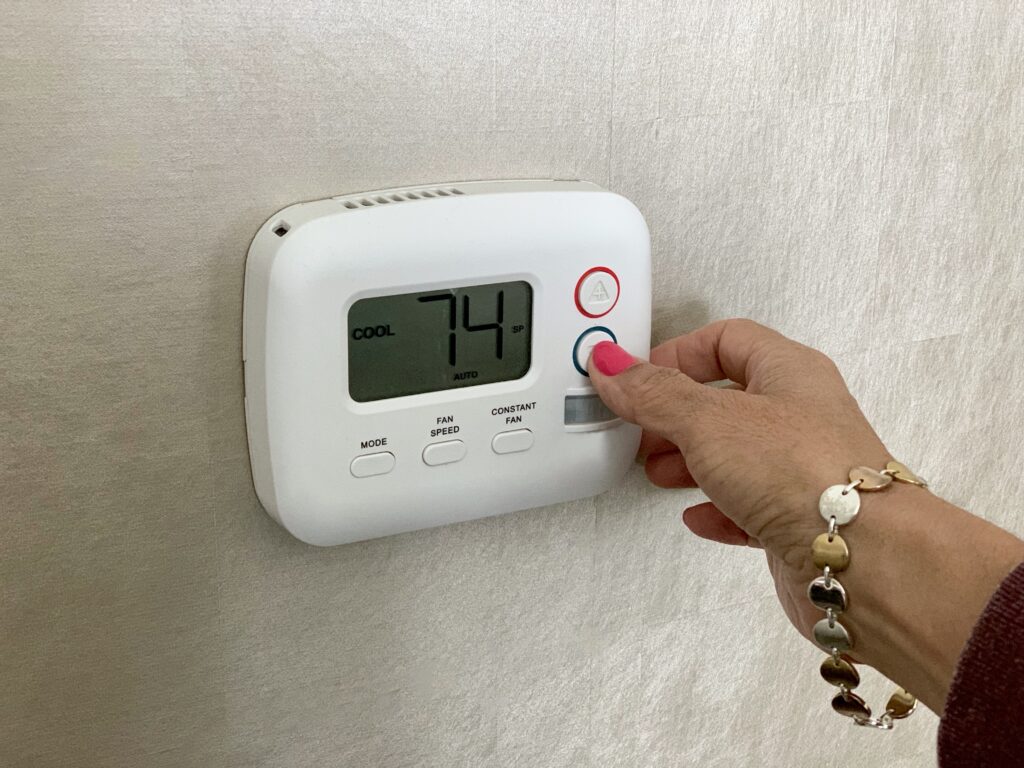
Relocating a thermostat involves more than just moving the box; it requires extending or rerouting the low voltage wiring through your walls. This is a task best left to professionals to ensure that the connections are secure and that the new hole is properly sealed. A hole in the drywall behind a thermostat can actually allow air from inside the wall cavity to blow onto the sensor, which is another common cause of inaccurate readings. We ensure that the installation is clean, sealed, and calibrated perfectly.
In many cases, the best solution is an upgrade to a modern smart thermostat with remote sensing capabilities. This technology eliminates the limitations of a single fixed location and gives you unprecedented control over your home’s climate. We can help you choose the right model for your specific HVAC setup and show you how to use remote sensors to balance the temperature in your Hurricane home. By getting the thermostat in the right spot or using technology to overcome a bad spot, you can finally enjoy the consistent comfort and energy efficiency you expect.
The location of your thermostat is the foundation of your home’s climate control. A perfectly placed thermostat acts as an efficient conductor, ensuring that your furnace and air conditioner work in harmony with the actual needs of your living space. Conversely, a poorly placed thermostat acts like a faulty compass, leading your HVAC system into cycles that waste money and leave you uncomfortable. By keeping the device away from direct sunlight, drafts, and heat-generating appliances, you remove the interference that leads to ghost readings.
Whether you are moving into a new home or trying to fix comfort issues in your current one, pay close attention to where that small box is mounted. If it is on an exterior wall, near a kitchen, or trapped in a drafty hallway, it is likely costing you money every single month. Do not let a simple placement error dictate your comfort. Contact Heatwave Solutions in Hurricane today for a professional evaluation. We can help you find the ideal spot for your thermostat or upgrade you to a smart system that ensures every room in your house feels exactly the way it should.