

What to Do If Your Heat Pump Blows Cold Air in Winter

Discovering that your heat pump is blowing cold air when you are expecting a rush of warmth is a frustrating experience for any homeowner in Hurricane, UT. During the winter months, we rely on these systems to provide a consistent and comfortable indoor environment. Unlike a traditional furnace that generates heat through combustion, a heat pump works by moving heat from one place to another. This unique method of operation is highly efficient, but it can also lead to some confusing behaviors that might make you think the system is broken when it is actually performing a necessary function.
When the air coming from your vents feels chilly, the first instinct is often to panic and assume a costly repair is imminent. However, there are several reasons why this might be happening, and not all of them require a professional service call. Understanding how your heat pump operates in cold weather and knowing which troubleshooting steps you can take on your own can save you time, money, and unnecessary stress. It is important to differentiate between a system that is malfunctioning and one that is simply navigating the challenges of a Southern Utah winter.
Understanding the Normal Defrost Cycle
The most common reason a heat pump blows cold air during the winter is a perfectly normal process called the defrost cycle. Because the outdoor unit of your heat pump is absorbing heat from the outside air, the moisture in that air can freeze on the outdoor coils. When ice builds up, it restricts airflow and prevents the system from working efficiently. To fix this, the heat pump temporarily reverses its operation, essentially switching into air conditioning mode to send warm refrigerant to the outdoor coils to melt the ice.

While the system is in defrost mode, the indoor fan continues to run. Since the unit is technically in cooling mode during this brief period, the air coming out of your vents will feel cold. Most modern systems are designed to engage supplemental electric heat strips during the defrost cycle to temper this cold air, but you might still feel a noticeable dip in temperature. A typical defrost cycle should only last between five and fifteen minutes. If the air warms back up after a short period, your system is likely operating exactly as it should.
If you notice that the outdoor unit is heavily encased in ice and the cold air persists for more than twenty minutes, the defrost control board or the reversing valve may be failing. This is a situation where the system can no longer clear the ice on its own, and continued operation could lead to mechanical damage. Observing the duration of the cold air is the first step in determining whether you are dealing with a standard maintenance cycle or a technical fault.
Checking Thermostat Settings and Fan Modes
Sometimes the solution to a cold air problem is as simple as a setting on your thermostat. It is easy for a thermostat to be accidentally bumped or for a schedule to be overridden without anyone realizing it. The first thing you should do is verify that the thermostat is set to heat mode and that the set point is higher than the current room temperature. If the thermostat is set to cool or if the fan is set to on instead of auto, the system will circulate room temperature air regardless of the heating needs.
Need a thermostat install? Click here for our thermostat installation service.
When the fan is set to on, the blower motor runs continuously even when the heat pump is not actively heating. This results in air moving through the vents that has not been warmed up, which can feel like a cold draft. Switching the fan setting back to auto ensures that the blower only operates when the system is actually providing heat. Additionally, check to see if your thermostat has a low battery warning. A weak battery can cause the thermostat to lose its connection with the heat pump or send erratic signals that disrupt the heating cycle.
Another factor to consider is the emergency heat or auxiliary heat setting. In Hurricane, when temperatures drop below freezing, your heat pump may struggle to pull enough heat from the outside air. At this point, the system should automatically engage its auxiliary heat strips. If your thermostat has an emergency heat setting and you have manually engaged it, the system will bypass the heat pump entirely and rely solely on the electric strips. If those strips are burned out or if a circuit breaker has tripped, you will feel cold air because the heat pump is being told not to run and the backup heat is not working.
Evaluating Airflow and Filter Cleanliness
Proper airflow is essential for a heat pump to generate warmth. If the system cannot move enough air over the indoor or outdoor coils, it cannot transfer heat effectively. A common culprit for cold air is a severely clogged air filter. When the filter is dirty, the volume of air passing through the system drops. This can cause the indoor coil to get too hot, causing the system to shut down for safety, or it can simply result in very weak, cool airflow that fails to warm the room.
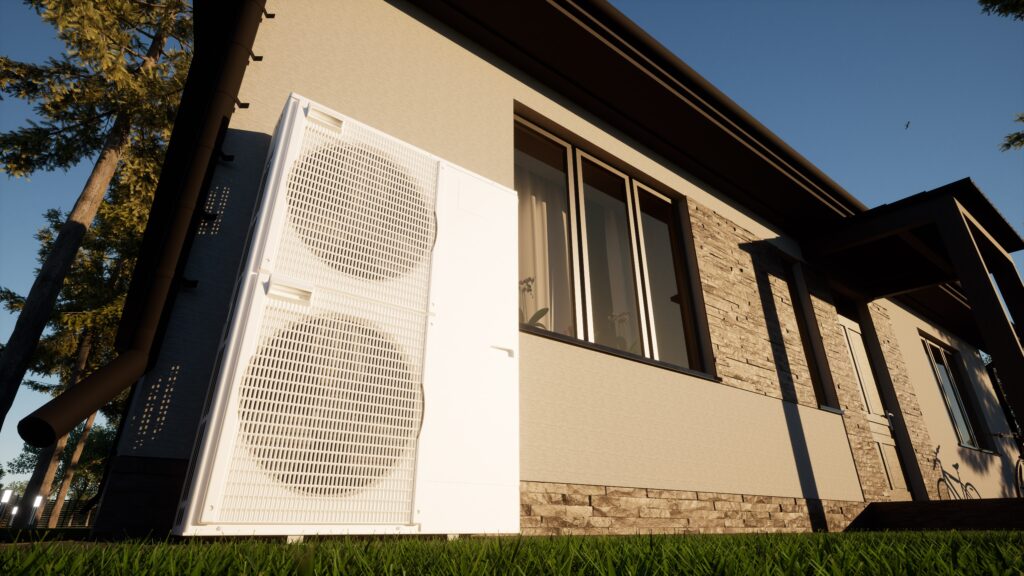
You should also inspect the outdoor unit to ensure it isn’t buried under debris. Leaves, overgrown bushes, or even trash that has blown against the unit can block the intake of air. Without sufficient outdoor airflow, the heat pump cannot extract the thermal energy needed to heat your home. Keeping a clear perimeter of at least two feet around the outdoor condenser is a simple way to prevent performance issues. Ensuring that all indoor supply vents and return grilles are open and unblocked is also vital for maintaining the balanced pressure the system requires.
Regular professional maintenance is the best way to prevent these airflow related issues. During a tune up, a technician will clean the coils and check the blower motor to ensure it is moving air at the correct velocity. A system that is neglected will slowly lose its ability to produce warm air as dust and grime act as an insulator on the coils. If your heat pump has been working fine but has slowly started to feel less effective over several seasons, it is likely overdue for a deep cleaning and calibration.
Identifying Low Refrigerant and Mechanical Failures
If you have verified that your thermostat settings are correct and the system is not merely in a defrost cycle, the cold air may be the result of a mechanical failure or a refrigerant leak. A heat pump relies on a specific level of refrigerant to absorb heat from the outdoor air and move it inside. Even a small leak can lower the pressure within the system, making it impossible for the unit to generate enough heat to warm your home. When this happens, the blower continues to run, but since no heat is being transferred, the air coming from your vents will feel exactly like a draft of unconditioned air.
Want to know the best temperature to set your thermostat? Click here for more information.
Another common mechanical culprit is a faulty reversing valve. This component is what allows the heat pump to switch between heating and cooling modes. If the valve becomes stuck or fails to receive the correct electrical signal, the unit may stay in cooling mode even when the thermostat is calling for heat. In this scenario, you aren’t just getting room temperature air; you are essentially running your air conditioner in the middle of winter. This is a complex issue that requires specialized tools and technical expertise to diagnose and repair safely.
Finally, electrical issues such as a failing compressor capacitor or a bad start relay can prevent the outdoor unit from engaging at all. If the outdoor compressor isn’t running, the indoor fan will still move air through the house, but that air will be cold. Because heat pumps are sophisticated machines with various sensors and safety switches, it is always best to have a professional technician from Heatwave Solutions inspect the system if these mechanical symptoms persist. We can identify the root cause, whether it is a simple electrical fix or a more involved refrigerant repair, to get your warmth restored quickly.
Considering Outdoor Temperatures and System Limits
It is important to remember that heat pumps have physical limits based on the laws of thermodynamics. As the outdoor temperature drops, there is less heat available in the air for the heat pump to extract. Most standard heat pumps begin to lose significant efficiency once the temperature falls below 35 or 40 degrees Fahrenheit. While they can still operate in colder weather, the air coming out of the vents will not feel as hot as the air from a gas furnace.
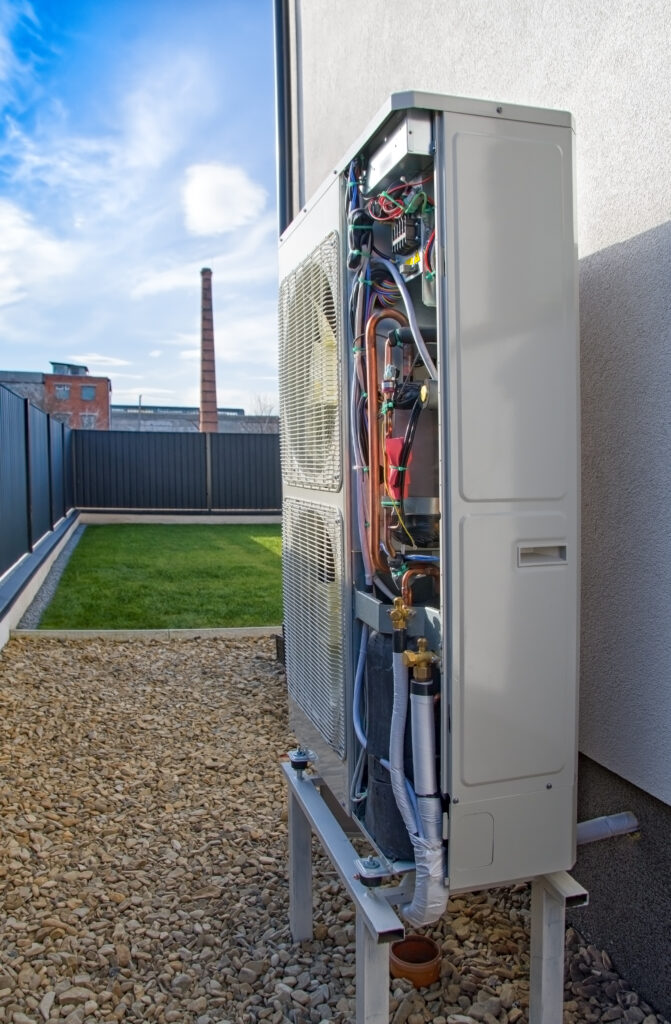
Gas furnaces produce air that is typically between 120 and 140 degrees. In contrast, a heat pump might produce air that is only 85 to 95 degrees. While this is significantly warmer than the room temperature, it is lower than your body temperature of 98.6 degrees. As a result, the air might feel cool to the touch if you are standing directly in front of a vent, even though it is successfully heating the room. This is a normal characteristic of heat pump technology and does not necessarily mean the system is failing.
If the outdoor temperature is extremely low and your home is not reaching the desired temperature, the system may simply be at its capacity. This is when the auxiliary heating elements are meant to take over. If you feel like your system is constantly blowing air that is just barely lukewarm during a cold snap, it is worth having a professional check the heat rise of the unit. We can determine if the system is producing the correct amount of heat for the current outdoor conditions or if there is an underlying issue with the compressor’s performance.
A heat pump blowing cold air in the winter is usually a sign that the system is either in its necessary defrost cycle or is experiencing a correctable issue with settings or airflow. By staying calm and following a logical troubleshooting process, you can often identify the cause without a lot of guesswork. Start by observing the length of the cold air burst to rule out a defrost cycle, then verify your thermostat settings and fan mode. Keeping your air filters clean and your outdoor unit clear of debris are the most effective ways you can support your system’s performance from home.
However, if the cold air persists or is accompanied by unusual noises or a heavily iced outdoor unit, it is time to call for professional assistance. Heat pumps are complex machines that require precise refrigerant levels and functional electrical components to operate safely in the Southern Utah climate. At Heatwave Solutions, we specialize in diagnosing and repairing heat pump issues for homeowners throughout Hurricane and the surrounding areas. We can ensure your system is properly calibrated to handle the winter chill, providing you with the reliable warmth and peace of mind you deserve.