

How Long Should My Furnace Run Each Cycle?

As winter settles into Hurricane, UT, homeowners begin to pay closer attention to the sounds and rhythms of their homes. One sound becomes particularly prominent. It is the hum of the furnace kicking on to combat the chill of the desert night. For many people, this sound is comforting. It means the system is working and the house remains warm. However, for others, the pattern of the furnace can become a source of anxiety. You might notice it turning on and off constantly. Or perhaps it seems to run for hours without ever taking a break. This leads to a very common question regarding home heating performance. How long should a furnace actually run during a single heating cycle?
Understanding the answer to this question is vital for maintaining a healthy HVAC system. The length of a heating cycle is one of the best indicators of your furnace’s overall health and efficiency. A cycle that is too short can indicate a safety issue or an airflow problem. A cycle that is too long might suggest the unit is struggling to keep up with the demand. Recognizing what is normal and what is not can help you catch small problems before they turn into expensive breakdowns. It can also save you a significant amount of money on your monthly utility bills.
Defining a Normal Heating Cycle
To understand if your system is malfunctioning, you first need to know what a healthy cycle looks like. A heating cycle is defined as the time from when the furnace turns on to heat the home until it shuts off after reaching the desired temperature. For the vast majority of residential gas furnaces, a standard cycle should last between 10 and 15 minutes. This is the sweet spot. It is long enough to heat the home efficiently but short enough to prevent the system from overheating or wasting fuel.
In terms of frequency, you should expect your furnace to run about two or three times per hour during average winter weather. This allows the system to maintain a consistent temperature within your living space. The thermostat senses a drop in temperature, signals the furnace to engage, and the unit runs until the set point is reached. Then it rests until the temperature naturally drifts down again. This steady rhythm indicates that the furnace is sized correctly for the home and is operating as the manufacturer intended.
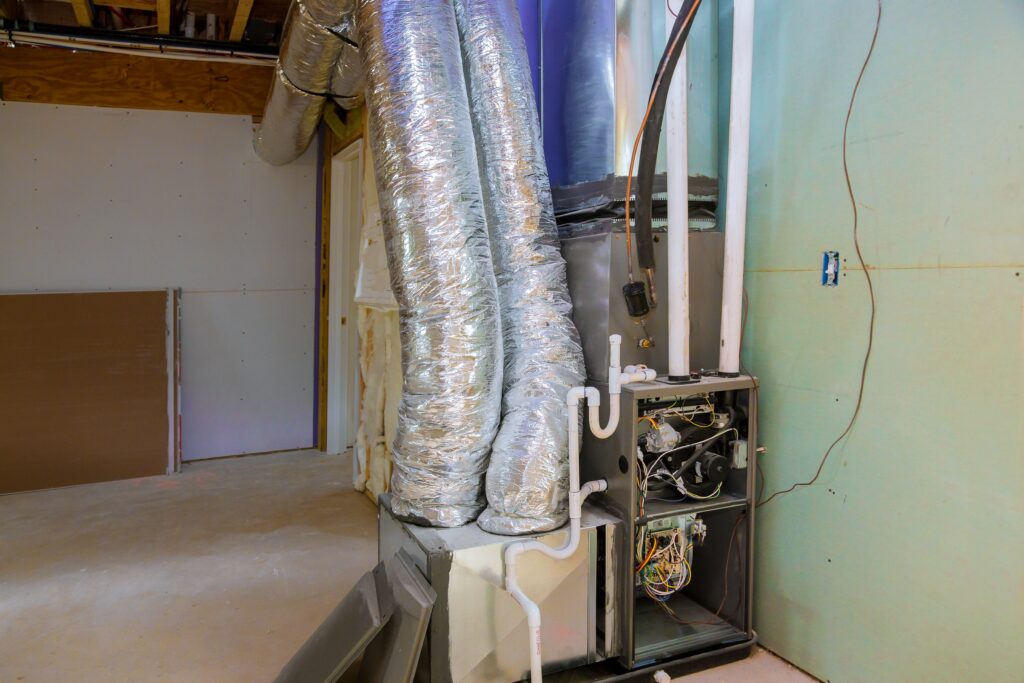
It is important to note that this 10 to 15 minute rule applies primarily to standard, single stage furnaces. These are the most common units found in many homes. They operate at one speed, which is 100 percent capacity. When they are on, they are blasting full heat. If you have a more modern two stage or variable speed furnace, the rules change slightly. These advanced units are designed to run for longer periods at a lower capacity. This provides a more even heat and better efficiency. A variable speed unit might run for 20 or even 30 minutes at a low setting. This is not a malfunction. It is a design feature meant to increase comfort and air filtration.
The Impact of Outdoor Temperatures
While 15 minutes is a good average, the weather outside plays a massive role in cycle length. Your furnace does not exist in a vacuum. It is constantly fighting against the heat loss of your home. The rate at which your home loses heat depends heavily on the outdoor temperature. On a mild day in Hurricane where the temperature is just slightly chilly, your furnace may run for shorter cycles. It might only need to run for five or eight minutes to top off the heat in the house.
Conversely, when a deep freeze hits Southern Utah, your furnace has to work much harder. The temperature difference between the inside of your home and the outdoors is significant. Heat escapes through windows, doors, and insulation much faster. On these extremely cold days, it is perfectly normal for a furnace to run for 20 minutes or more per cycle. It simply takes more energy to maintain 70 degrees inside when it is 20 degrees outside.
Need furnace repair? Click here for our furnace repair service.
Homeowners often panic during a cold snap because the furnace seems to be running constantly. Before assuming something is broken, check the outdoor thermometer. If the weather is exceptionally cold, your furnace is likely just doing its job to keep you warm. However, if it is a mild day and the furnace is running non stop, that is a cause for concern. Context is key when evaluating the performance of your heating system.
The Problem of Short Cycling
One of the most common and damaging issues a furnace can experience is known as short cycling. This occurs when the furnace turns on, runs for a very short period, often less than five minutes, and then shuts off before the home has reached the set temperature. A few moments later, it turns back on and repeats the process. This rapid on and off pattern is incredibly destructive to the equipment.
Short cycling destroys efficiency. A furnace uses the most energy during the startup sequence. It has to energize the ignitor, open the gas valve, and start the inducer motor. If the system shuts down two minutes later, you have used a significant amount of energy for very little heating benefit. It is similar to driving a car in city traffic versus on the highway. The constant stopping and starting ruins your gas mileage.
Beyond efficiency, short cycling causes immense mechanical wear and tear. Every time the system starts, the motors and electrical components are subjected to stress. The heat exchanger heats up and cools down rapidly. This thermal shock can eventually lead to cracks in the metal. A cracked heat exchanger is a serious safety hazard that can leak carbon monoxide. Therefore, short cycling is not just an annoyance. It is a fast track to a premature furnace replacement.
Causes of Short Cycling
There are several reasons why a furnace might short cycle, and most of them require professional attention. The most frequent culprit is a restricted airflow issue, often caused by a dirty air filter. When the filter is clogged with dust and debris, the furnace cannot pull enough cool air over the heat exchanger. The heat exchanger quickly becomes dangerously hot. The high limit switch, a safety sensor, detects this overheating and cuts the fuel supply to prevent a fire. The blower continues to run to cool the unit down. Once it cools, the furnace tries to fire again, only to overheat once more.

Another common cause is an oversized furnace. This is an installation error. If a furnace is too powerful for the size of the home, it will heat the space incredibly fast. It blasts the house with hot air, raising the temperature to the set point in just a few minutes. The thermostat shuts it off. Because the run time was so short, the heat does not have time to distribute evenly into the walls and furniture. The air cools down quickly, and the cycle repeats. This leads to uncomfortable temperature swings and high energy bills.
Thermostat issues can also lead to short cycling. If the thermostat is located in a bad spot, it can get false readings. For example, if the thermostat is installed directly under a supply vent, the warm air from the furnace hits it immediately. The thermostat thinks the whole room is warm and shuts the system off. Meanwhile, the rest of the house is still cold. Sunlight hitting the thermostat or heat from a nearby appliance can cause similar problems.
Understanding Long Cycling
The opposite problem is long cycling. This is when the furnace runs for 30 minutes, 40 minutes, or even hours without shutting off. While this is less mechanically damaging than short cycling, it is a major drain on your wallet. It indicates that the system is struggling to satisfy the thermostat’s demand for heat.
An undersized furnace is a primary reason for long run times. If the unit is too small for the square footage of the home, it simply cannot produce enough BTUs to overcome the heat loss. It will run continuously in a desperate attempt to reach the target temperature, but it may never get there on a cold day. This results in a house that never feels quite warm enough despite the furnace running all day.
Leaks in your ductwork can also cause extended cycles. The furnace might be producing plenty of heat, but if the ducts in your attic or crawlspace are disconnected or torn, that hot air is being pumped into the outdoors or unconditioned spaces. The warm air never reaches your living rooms and bedrooms. The thermostat continues to call for heat because the temperature inside is not rising. This creates a massive waste of energy and money.
Dirty coils or burners can also contribute to long cycling. If the internal components of the furnace are covered in grime, the transfer of heat becomes inefficient. The system has to run longer to transfer the same amount of heat into the air. This is why regular maintenance is so critical for keeping run times within a normal range.
The Importance of Insulation and Sealing
The envelope of your home dictates how hard your furnace has to work. Even a perfectly sized and maintained furnace will struggle in a home with poor insulation. If your attic insulation is thin or compressed, heat rises and escapes through the roof. If your windows are drafty or your doors lack proper weatherstripping, cold air constantly infiltrates the home.
This rapid heat loss forces the furnace to cycle more frequently or run for longer periods. The heat you pay for is literally leaking out of the building. Improving your home’s insulation and sealing air leaks is one of the most effective ways to normalize your furnace cycles. It helps the home retain heat like a thermos. This allows the furnace to run for a standard cycle and then rest for a longer period before needing to turn on again.
Homeowners in Hurricane often overlook the impact of windows. Single pane windows or older aluminum frames conduct heat very poorly. They allow the cold from the outside to transfer easily into the home. Upgrading to double pane windows or adding heavy curtains can reduce the load on your furnace and help stabilize your heating cycles.
Thermostat Settings and Differential
Your thermostat is the brain of the operation. How it is set up can influence cycle length. Modern digital thermostats have a setting known as the temperature differential or deadband. This setting determines how much the temperature is allowed to drop before the furnace kicks back on.
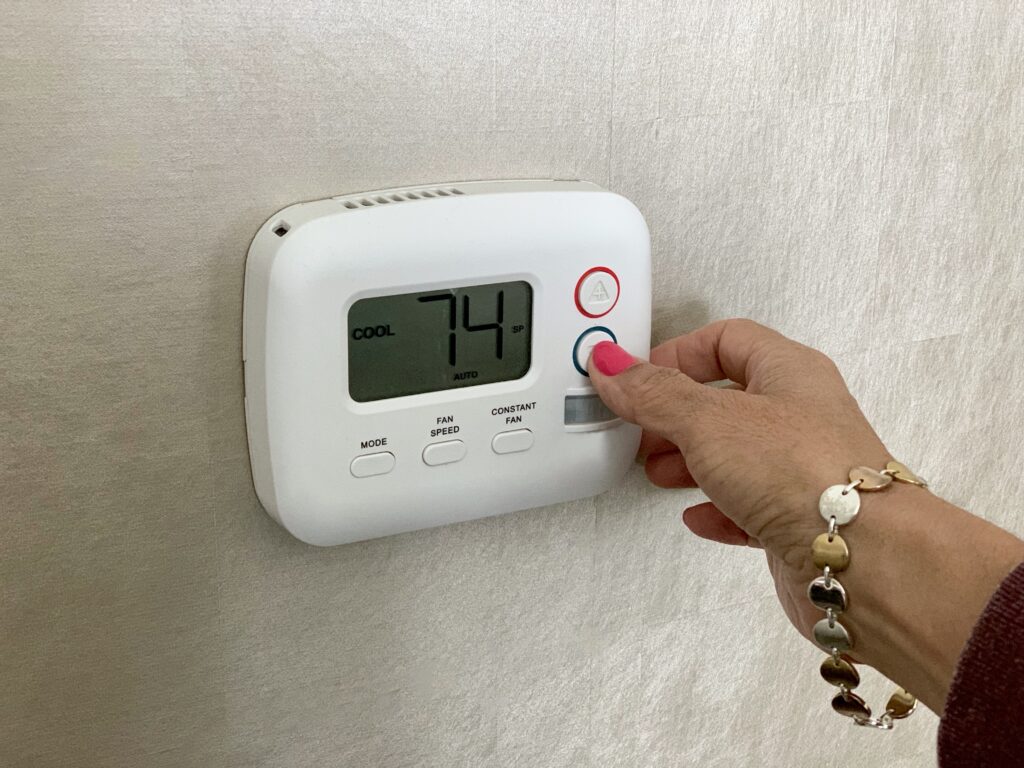
For example, if your thermostat is set to 70 degrees and the differential is set to one degree, the furnace will turn on when the room hits 69 degrees. It will run until it reaches 70 and then shut off. If the differential is set to a tighter tolerance, like half a degree, the furnace will cycle much more frequently to maintain that precise temperature. This leads to shorter run times but more starts and stops.
If you find your furnace is cycling too often, checking this setting is a good step. Widening the differential slightly allows for longer run times and longer rest periods, which is generally better for the equipment. However, if the differential is too wide, you might notice the house getting uncomfortably cool before the heat turns back on. Finding the right balance is key to comfort and efficiency.
What to Do If Your Cycles Are Off
If you have monitored your furnace and determined that the cycles are consistently too short or too long, there are a few troubleshooting steps you can take before calling a professional. The very first step is always to check the air filter. This is the most common cause of airflow problems. If the filter is dirty, replace it immediately with a fresh one. Watch the furnace for the next few hours to see if the cycle length normalizes.
Next, check your vents. Ensure that all supply vents in your home are open and unblocked. Sometimes furniture or rugs can accidentally cover a vent, restricting airflow and causing the system to overheat. Make sure the return air grilles are also clear of dust and obstructions.
If the filter is clean and the vents are open, listen to the system. Does it sound like it is struggling? Do you hear clicking noises or grinding sounds? These are indicators of mechanical failure. If the short cycling persists despite a clean filter, it is likely a sensor issue or a more complex electrical problem. At this point, it is time to bring in an expert.
Why Professional Maintenance Matters
The best way to ensure your furnace maintains a healthy cycle length is through regular professional maintenance. A yearly tune up from a qualified technician addresses the root causes of both short and long cycling. During a maintenance visit, the technician cleans the flame sensor, which can cause short cycling if it becomes coated in carbon. They inspect the blower motor and capacitor to ensure they are running at the correct speed.
Considering DIY furnace repair? Click here to see why we don’t recommend it.
They also check the heat exchanger for cracks and verify that the gas pressure is set correctly. Incorrect gas pressure can cause the furnace to run too hot or too cool, affecting cycle times. A combustion analysis ensures the fuel is burning efficiently. Perhaps most importantly, a technician can evaluate the airflow of the system. They can determine if your ductwork is sized correctly for the furnace and if there are any restrictions that need to be addressed.
Preventative maintenance catches small issues before they disrupt your heating cycles. It ensures the system is clean, calibrated, and safe. Homeowners who schedule annual inspections rarely face the frustration of a furnace that turns on and off every three minutes. They enjoy consistent, reliable heat throughout the winter.
The rhythm of your furnace tells a story about the health of your home’s heating system. A normal cycle should last between 10 and 15 minutes and occur two or three times an hour. This indicates that your furnace is sized correctly, receiving proper airflow, and operating efficiently. When the cycles become erratic, either too short or too long, it is a clear signal that something is wrong.
Short cycling puts your equipment at risk of premature failure and drives up your energy costs. Long cycling often points to inefficiency or heat loss. By understanding what is normal, you can identify problems early. Simple steps like changing your air filter and sealing drafts can help, but persistent issues require the eye of a professional. If your furnace is struggling to maintain a consistent rhythm, do not ignore the warning signs. Contact Heatwave Solutions in Hurricane to schedule a comprehensive inspection. We can diagnose the cause of the irregular cycles and restore your system to peak performance, ensuring you stay warm and comfortable all season long.