
Why We Don’t Recommend DIY Furnace Repairs
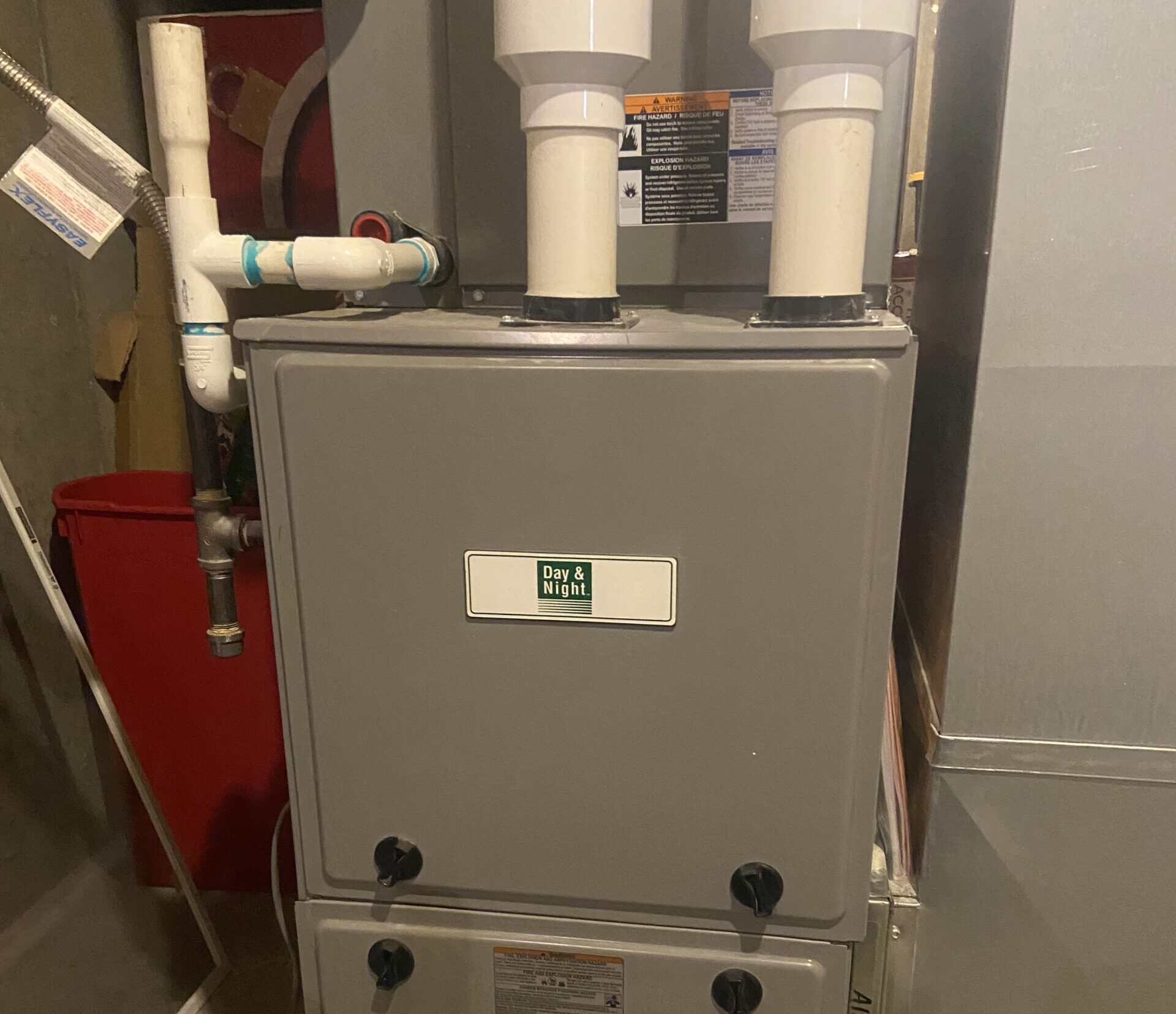
As winter approaches in Hurricane, UT, a reliable furnace is a necessity. When your heating system malfunctions, the temptation to try and fix it yourself can be strong. The internet is filled with tutorial videos and articles promising easy solutions to complex problems. Many homeowners believe they can save money and time by taking on these repairs without professional help. However, furnace repair is not like fixing a leaky faucet or painting a wall. These are complex, powerful machines that involve gas, electricity, and combustion.
Attempting a DIY repair on a furnace can lead to serious consequences. The risks often far outweigh any potential savings. A simple mistake can compromise the safety of your home and family. It can also cause extensive damage to the unit itself, leading to much higher repair costs down the line. Understanding why professional intervention is crucial can save you from danger, frustration, and unnecessary expense.
The Hidden Dangers of Gas and Carbon Monoxide
The most significant risk associated with DIY furnace repair is the potential for gas leaks. Most residential furnaces in our area run on natural gas or propane. These fuels are highly combustible and must be handled with extreme care. A professional technician is trained to work with gas lines safely. They know how to detect even the smallest leaks and how to seal connections properly.
When an untrained person attempts to repair a gas valve, pilot light, or burner assembly, they may inadvertently create a leak. Natural gas is odorless, but suppliers add a chemical called mercaptan to give it a distinctive rotten egg smell. However, a small leak might not be immediately noticeable, especially if it is in a well ventilated area like a utility room. Over time, gas can accumulate in your home. A single spark from a light switch or static electricity could trigger an explosion or a fire.
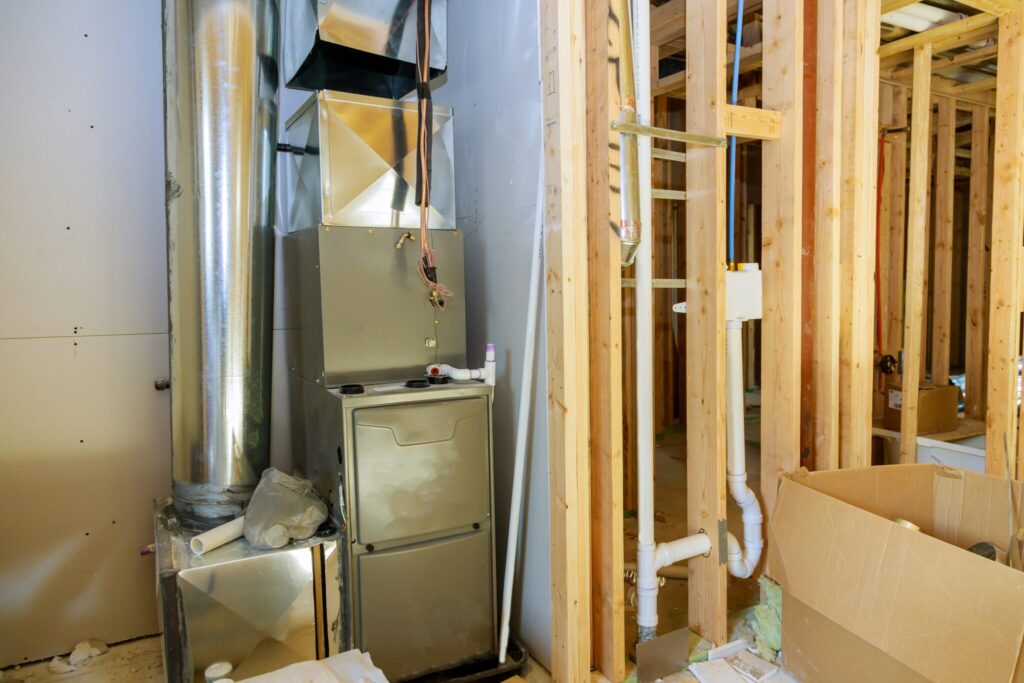
Carbon monoxide is another deadly byproduct of improper furnace operation. This colorless, odorless, and tasteless gas is produced during the combustion process. A properly functioning furnace vents this gas safely outside your home through the flue pipe. If a DIY repair damages the heat exchanger or improperly reassembles the venting system, carbon monoxide can leak into your living spaces.
Carbon monoxide poisoning can be fatal. Its symptoms, such as headaches, dizziness, nausea, and confusion, are often mistaken for the flu. By the time a homeowner realizes something is wrong, it may be too late. Professional technicians have specialized tools to test for carbon monoxide leaks and ensure the entire venting system is sealed and working correctly. They understand the critical importance of proper airflow and combustion to keep this dangerous gas out of your home.
Electrical Hazards and Fire Risks
Modern furnaces are not just gas appliances; they are also complex electrical systems. They rely on a network of wires, circuit boards, sensors, and motors to operate. Working on these electrical components without proper training and equipment is dangerous.
Furnaces run on high voltage electricity. Touching the wrong wire or failing to completely shut off the power before starting work can result in a severe electrical shock. This can cause serious injury or even death. Even after the power is turned off, some components, like capacitors, can store a lethal electrical charge. A professional knows how to safely discharge these parts before handling them.
Improper electrical work is also a major fire hazard. If wires are connected incorrectly, or if the wrong type of replacement part is used, it can cause overheating. This can melt insulation, create sparks, and ignite nearby combustible materials. An electrical fire can spread rapidly through a home, causing devastating damage.
Furthermore, modern furnaces use sophisticated electronic control boards. These are delicate and easily damaged by static electricity or incorrect wiring. A simple mistake during a DIY attempt can fry an expensive circuit board, instantly turning a minor repair into a major one. Professionals use specialized tools and anti static measures to protect these sensitive components.
The Complexity of Modern HVAC Systems
Gone are the days when furnaces were simple mechanical devices. Today’s high efficiency models are advanced pieces of technology. They use complex algorithms to control blower speeds, gas valve modulation, and ignition sequences. Diagnosing a problem with these systems requires more than just a basic understanding of how they work.
A single symptom can have multiple potential causes. For example, a furnace that will not turn on could be due to a faulty thermostat, a blown fuse, a failed igniter, a blocked pressure switch, or a malfunctioning control board. An untrained homeowner is likely to guess at the problem, replacing parts randomly in hopes of finding a solution. This “parts cannon” approach is inefficient and expensive. You may end up replacing perfectly good components while the real issue remains unresolved.
Professional technicians undergo years of training and apprenticeship to understand these complex systems. They have the knowledge to interpret error codes, use advanced diagnostic tools, and trace problems to their root cause. They understand how different components interact with each other. What looks like a simple fan problem might actually be a symptom of a restricted airflow issue elsewhere in the system.
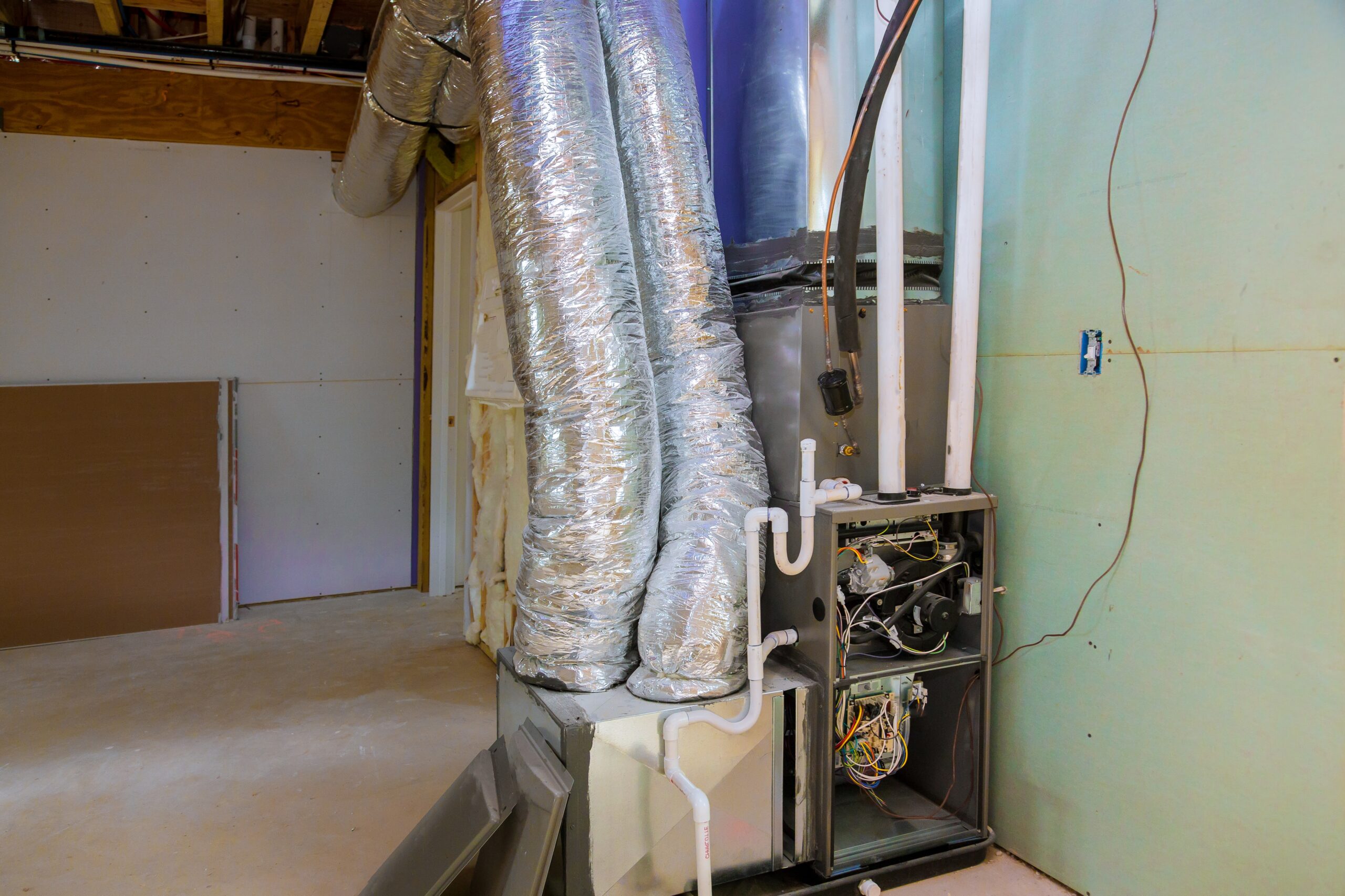
Moreover, modern furnaces are designed with strict specifications for airflow and gas pressure. If these are not set correctly during a repair, the furnace will not operate efficiently. It may short cycle, fail to heat the home evenly, or consume far more fuel than necessary. Professionals have the tools, such as manometers and airflow meters, to precisely calibrate the system back to factory specifications.
Voiding Your Warranty
Most furnace manufacturers offer substantial warranties on their equipment. These warranties can cover major components like heat exchangers for 20 years or more, and other parts for up to 10 years. However, these warranties almost always come with a strict condition: repairs and maintenance must be performed by a licensed, professional HVAC technician.
If you attempt a DIY repair, you are likely voiding this valuable warranty. Manufacturers include this clause because they know the risks of improper repairs. They do not want to be financially responsible for damage caused by untrained hands.
Imagine a scenario where you try to replace a simple sensor yourself. A year later, a major component like the blower motor fails. If the manufacturer determines that the system was tampered with by an unlicensed person, they can deny your warranty claim. You would then be responsible for the full cost of the new motor and the labor to install it. This could cost you hundreds or even thousands of dollars, all because you tried to save a small amount on a minor repair.
Professional technicians from experienced companies like Heatwave Solutions will provide documentation for all repairs. This keeps your warranty valid and gives you peace of mind. If a part they installed fails under warranty, the manufacturer will cover it.
The True Cost of DIY Repairs
The primary motivation for DIY repairs is almost always to save money. Homeowners see the cost of a service call and think they can avoid it by doing the work themselves. However, this often proves to be a false economy. The true cost of a DIY repair can end up being much higher than hiring a professional from the start.
First, there is the cost of tools. Diagnosing and repairing a furnace often requires specialized tools that most homeowners do not own. Multimeters, manometers, combustion analyzers, and specialized wrenches are expensive. Buying these tools for a one time repair does not make financial sense.
Second, there is the issue of parts. Professionals have access to wholesale supply houses where they can get high quality, OEM (Original Equipment Manufacturer) parts. Homeowners often have to rely on online retailers or big box stores. The parts available to the public may be generic, lower quality, or even counterfeit. Installing an incorrect or inferior part can cause poor performance and may even damage other components in the furnace.
Third, there is the value of your time. Furnace problems rarely happen at a convenient time. You might find yourself spending an entire weekend trying to diagnose a problem, searching for parts, and attempting a repair. If you are unsuccessful, you will still have to call a professional, and you will have lost days of comfort in a cold house.
Finally, there is the cost of mistakes. As mentioned earlier, a simple error can lead to major damage. If you accidentally break a costly component while trying to fix a cheap one, your repair bill will skyrocket. In the worst case scenario, an improper repair could cause a fire or carbon monoxide incident, leading to devastating financial and personal costs that are impossible to quantify.
A furnace is an essential part of your home that ensures comfort and safety during the cold months in Hurricane. While the DIY spirit is admirable for many home improvement projects, furnace repair is not one of them. The risks of gas leaks, carbon monoxide poisoning, electrical shock, and fire are simply too high. The complexity of modern systems makes accurate diagnosis difficult for anyone without specialized training.
Attempting to fix it yourself can void your valuable warranty, lead to expensive mistakes, and ultimately cost you more time and money than hiring a professional. It is not worth gambling with the safety of your home and family to save a few dollars on a service call.
When your furnace needs attention, trust the experts. A licensed, trained technician has the knowledge, tools, and experience to diagnose the problem correctly and fix it safely. They will ensure your system is operating at peak efficiency and that your home is safe from the dangers of gas and carbon monoxide. For reliable, professional furnace repair, always call a trusted local HVAC provider.