

How Often Should I Replace My Thermostat?

The thermostat is one of the most frequently used devices in any home. It serves as the command center for your entire heating and cooling system. Despite its importance, it is often the most overlooked component of an HVAC system. Most homeowners will think about their air conditioner or furnace, but the small box on the wall is forgotten until it stops working. Like any electronic device, a thermostat does not last forever. Understanding its lifespan and the signs of failure can save you from high energy bills, uncomfortable indoor temperatures, and unnecessary stress. Knowing when to replace this device is key to maintaining an efficient and comfortable home in Hurricane, UT. It controls your comfort, but it also has a major impact on your monthly utility costs.
The General Lifespan of a Thermostat
As a general rule, most thermostats have a reliable lifespan of about 10 to 15 years. Some high quality digital models may last longer, while older mechanical models might fail sooner. This 10 year mark is a critical milestone. Even if the thermostat appears to be working correctly, the technology inside it is likely outdated. Electronics, even simple ones, degrade over time. Sensors can lose their accuracy, and internal components can become unreliable.
Several factors contribute to a thermostat’s aging process. Dust is a primary enemy. Small particles can settle inside the unit, interfering with electrical contacts and sensors. This is especially true for older mechanical models that had physical contacts. Frequent power surges, even small ones, can slowly damage the delicate internal circuitry. Over time, the thermistor, the part that actually senses the room’s temperature, can drift from its original calibration. This means it might read the temperature as 75 degrees when it is actually 72 or 78.
This loss of accuracy is why replacement is often recommended even if the unit hasn’t failed completely. A thermostat that is just two or three degrees off can cause your HVAC system to run much longer than necessary. It can also fail to turn on when it should. After a decade of service, the risk of failure increases significantly. Upgrading before it breaks down completely is a proactive move that prevents you from being caught in a hot summer or cold winter night with no climate control.
Think about any other piece of technology in your home. A 10 year old computer or smartphone is considered an antique. While thermostats evolve more slowly, a 10 year old model lacks the efficiency features, accuracy, and smart capabilities that are standard today. Replacing it is not just about fixing a problem; it’s about an opportunity to upgrade your home’s entire energy management system.
Signs Your Thermostat Is Failing
A failing thermostat often sends subtle signals before it stops working entirely. Many homeowners misdiagnose these signs, blaming their furnace or air conditioner for problems that actually start at the control unit. Recognizing these symptoms early can help you pinpoint the issue correctly.
The most common and frustrating sign is a heating or cooling system that will not turn on at all. You adjust the temperature, hear the familiar click, but the furnace or AC unit remains silent. Conversely, the system might not turn off. It will continue to run long after the set temperature has been reached, turning your home into an icebox or a sauna. This indicates the thermostat is failing to send the correct “on” or “off” signals to the main HVAC unit.
Short cycling is another clear indicator of a thermostat problem. This is when your air conditioner or furnace turns on, runs for only a few minutes, then shuts off, only to repeat the process a short time later. This behavior is often caused by a thermostat that is reading the room temperature incorrectly. It believes it has satisfied the temperature setting, so it shuts the system down. Then, it quickly senses the temperature is wrong again and restarts the system. This rapid starting and stopping puts extreme wear and tear on your HVAC equipment, particularly the compressor.

Inaccurate temperature readings are a more subtle sign. You may feel that the temperature in the room does not match the temperature displayed on the thermostat. You set it to 74 degrees, but you feel uncomfortably warm. Or, you set it to 70 for heat, but the house feels chilly. This discrepancy, known as a temperature swing, means the sensor is failing. A properly functioning thermostat should maintain the temperature within one or two degrees of your setpoint. A failing one will have wide, uncomfortable variations.
You might also notice the thermostat’s display is blank or unresponsive. For battery powered models, the first and easiest step is to try replacing the batteries. If new batteries do not solve the problem, or if the unit is hardwired, a blank screen usually points to a dead thermostat. The internal electronics have failed, or it is no longer receiving power from the HVAC system.
Finally, pay attention to the settings. If you have a programmable thermostat and it constantly loses its programming, it is a sign of failure. You may set a schedule for the week, only to find it has reverted to a default program a day later. This suggests the internal memory is corrupt or the unit is failing to retain settings. All these signs point to a controller that is no longer reliable.
Why Old Thermostats Cause Problems
A thermostat that is past its prime is more than just an inconvenience. It can be the source of significant problems that affect your comfort, your budget, and the health of your entire HVAC system. These issues often compound over time, leading to expensive consequences.
Have a broken thermostat that needs replacing? Click here to learn more.
The most immediate problem is energy waste. A thermostat with a failing sensor or inaccurate calibration will run your heating and cooling system inefficiently. If it misreads the room temperature by just a few degrees, it can force your furnace or air conditioner to run 20 to 30 minutes longer per cycle. This is wasted energy. Over the course of a month, this adds up to a surprisingly high utility bill. You are paying to overheat or overcool your home, all because of a small, faulty device.
Poor home comfort is the next major issue. The entire purpose of an HVAC system is to create a stable and comfortable indoor environment. A failing thermostat undermines this completely. It creates hot and cold spots throughout the house. You may find yourself constantly adjusting the setpoint, trying to find a temperature that feels right, but you never achieve consistent comfort. This is especially frustrating in areas like Hurricane, where summer heat demands a reliable air conditioner.
Furthermore, an old thermostat can accelerate the wear and tear on your expensive HVAC equipment. As mentioned, short cycling is incredibly damaging. The compressor in your air conditioner and the blower motor in your furnace are not designed to start and stop every few minutes. This jerky operation strains motors, overheats components, and leads to premature breakdowns. You could find yourself replacing a multi thousand dollar AC unit years before its time, all because the thermostat was running it into the ground.
Older mechanical thermostats, especially the round models common decades ago, pose another risk. Many of these units used a small glass vial containing mercury to complete the electrical circuit. Mercury is a potent neurotoxin. If this vial breaks during removal or if the thermostat is damaged, it creates a hazardous materials situation in your home. Replacing these obsolete models is a good idea for safety and environmental reasons alone.
The Evolution of Thermostat Technology
To fully appreciate the benefits of a replacement, it helps to understand just how far thermostat technology has come. The devices in homes today are vastly different from the simple dials of the past.
The first thermostats were purely mechanical. These units, often round and beige, used a bimetallic strip or a gas filled bellows. As the room temperature changed, the metal strip would coil or uncoil, eventually tilting a mercury switch to turn the system on or off. These devices were revolutionary for their time, but they were not very accurate. They often allowed for wide temperature swings before they would react.
The next major leap was the basic digital thermostat. This innovation replaced the mercury switch and bimetallic strip with a digital sensor called a thermistor. A thermistor is much more accurate and reacts to temperature changes faster. These thermostats introduced the digital screen and push button controls, making it easier to set a precise temperature. However, they were still manual. The temperature you set is the temperature it would stay until you changed it again.
Programmable thermostats were the first step toward energy savings and automation. These digital models allowed homeowners to create a schedule. You could program the thermostat to automatically lower the temperature when you were away at work or asleep, and then raise it back to a comfortable level just before you returned or woke up. This “set it and forget it” approach was a game changer for efficiency, preventing the system from heating or cooling an empty house.

Today, we are in the era of smart thermostats. These devices represent the pinnacle of climate control technology. They connect to your home’s Wi Fi network, allowing you to control them from a smartphone, tablet, or computer. This is just the beginning of their capabilities. Many smart thermostats learn your family’s habits and routines. They build a custom schedule that optimizes comfort and energy savings automatically. They can also provide detailed energy reports, showing you exactly how much your system ran and offering tips to save more.
The Benefits of Upgrading Your Thermostat
Replacing an old thermostat is not a simple one for one swap. It is an upgrade that provides a host of modern benefits. Even if your current thermostat seems to be working, a new model can fundamentally change how you interact with your home and how much you spend on energy.
The most significant benefit is improved energy efficiency. A new, properly calibrated digital thermostat is inherently more accurate than an old mechanical one. When you upgrade to a programmable or smart model, the savings multiply. The ability to automatically adjust the temperature for different times of the day can lead to substantial reductions in your heating and cooling bills. The device can often pay for itself in energy savings within a year or two.
Smart thermostats offer a level of convenience and control that was impossible a decade ago. Remote access via a smartphone app is a powerful feature. If you are leaving the office early, you can turn on the AC from your desk. If you are on vacation and forgot to adjust the heat, you can do it from the beach. Many models also integrate with voice assistants, allowing you to change the temperature simply by speaking.
The learning algorithms in smart models take efficiency to the next level. They learn your patterns. They figure out when the house is empty and when people are home. Some use geofencing, which links to your smartphone’s location. When the thermostat detects you have left a certain radius around your home, it automatically enters an energy saving “away” mode. When it sees you are on your way back, it begins to cool or heat the house to your preferred temperature, ensuring comfort the moment you walk in the door.
Modern thermostats can also act as a central hub for your entire indoor environment. Many advanced models can control more than just temperature. They can manage whole home humidifiers, dehumidifiers, and air purification systems. This allows you to control your home’s humidity and air quality from the same interface, ensuring a healthier and more comfortable living space. For larger homes, smart thermostats are essential for managing zone control systems, which allow you to set different temperatures for different areas of the house.
Understanding Different Types of Modern Thermostats
When you decide it is time to replace your thermostat, you will find three main categories of devices on the market. Choosing the right one depends on your lifestyle, budget, and desire for technological features.
The first and most basic option is the non programmable digital thermostat. This is a straightforward, reliable device. It features a digital screen that displays the current temperature and simple buttons to adjust the setpoint. You set the temperature, and it stays there until you change it. This type is best for people who are home most of the time, prefer simplicity, and do not have a varying schedule. It is accurate and affordable, but all energy savings must come from you manually adjusting it.
The second category is the programmable thermostat. These models are a significant step up in terms of efficiency. They allow you to create a detailed schedule based on your routine. Common models offer 7 day programming, letting you set a different schedule for each day of the week. Others offer 5 2 day programming, which provides one schedule for weekdays and a separate one for the weekend. These are ideal for households with a predictable schedule. By automatically setting back the temperature when you are away or asleep, they can save considerable energy.
The third and most advanced option is the smart thermostat. These Wi Fi enabled devices offer the most features and the greatest potential for energy savings. They include all the features of a programmable thermostat, but add remote control via smartphone, learning algorithms, geofencing, and detailed energy usage reports. Some models even have built in sensors to detect humidity or occupancy. A smart thermostat is the best choice for those who love technology, want maximum convenience, or have irregular schedules that a standard programmable model cannot accommodate.
When to Replace vs. When to Repair
Not every thermostat problem means the device needs to be thrown away. In some cases, a simple fix can resolve the issue. However, it is important to know when a replacement is the smarter, more cost effective choice.
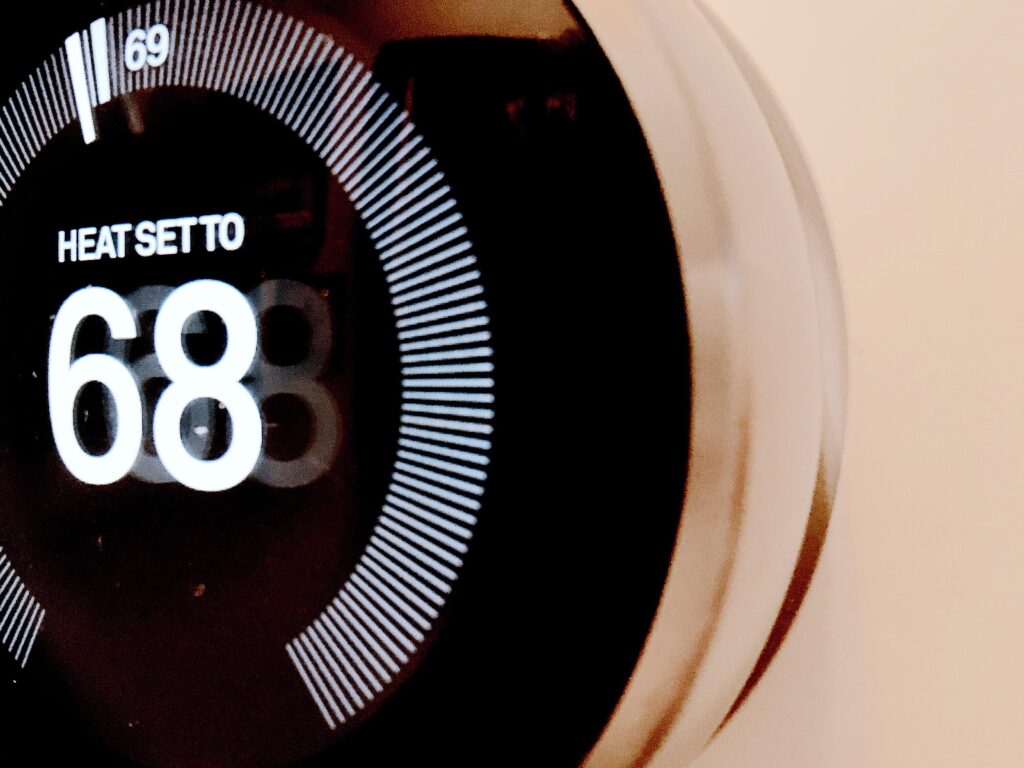
Before calling for service, there are a few troubleshooting steps every homeowner should perform. If the thermostat screen is blank, the first thing to check is the batteries. Many digital models use batteries for power, and dead batteries are the most common cause of a non functioning unit.
If new batteries do not solve the problem, or if your unit is hardwired, check your home’s circuit breaker panel. The thermostat receives power from the HVAC system’s transformer. If the breaker for your furnace or air handler has tripped, the thermostat will lose power and go blank. Resetting the breaker may be all that is needed.
For older mechanical units, dust and debris can be the culprit. You can often remove the front cover and gently clean the internal components with a soft brush or a can of compressed air. Dust on the bimetallic strip or electrical contacts can cause poor readings.
If these simple steps do not fix the problem, it is time to consider a replacement. Attempting to repair the internal electronics of a digital thermostat is almost never worth the cost. The labor involved in diagnosing and soldering a new circuit board would quickly exceed the price of a brand new, more advanced model. If your thermostat is already over 10 years old, replacement is the clear choice. The efficiency gains and new features of a modern unit will provide far more value than trying to fix an obsolete device.
The Importance of Professional Thermostat Installation
It can be tempting to view replacing a thermostat as a simple DIY project. While some installations are straightforward, thermostat wiring can be surprisingly complex. Improper installation can lead to a system that does not work, or worse, it can cause expensive damage to your HVAC equipment.
HVAC systems use a set of low voltage, color coded wires to communicate. However, these color codes are not always standardized. The “C” wire, or common wire, is necessary to provide continuous power to most smart thermostats, but it is not present in many older homes. A professional technician knows how to identify each wire’s function correctly, even if the colors are unconventional. They can also run a new C wire if one is needed.
Connecting the wrong wires can have serious consequences. A mistake can short out the thermostat itself, blow the low voltage fuse in your furnace, or destroy the main control board of your HVAC system. This turns a simple upgrade into a major and costly repair.
Compatibility is another crucial factor. Not all thermostats are compatible with all types of HVAC systems. Heat pumps, multi stage systems, and zoned systems require very specific types of thermostats. A professional from Heatwave Solutions can assess your home’s specific equipment. We will ensure that the new thermostat you choose is fully compatible and configured correctly for your system.
Configuration is the final step. A new thermostat must be programmed to know what kind of system it is controlling. It needs to be told it is paired with a gas furnace, an electric air handler, or a heat pump. Incorrect settings will cause the system to run inefficiently and can even cause damage. A professional installation guarantees that the thermostat is wired, configured, and calibrated correctly from the start.
Your thermostat serves as the brain of your home’s comfort system. While it may last for 10 or 15 years, its age is not the only reason to consider a replacement. Signs of failure, such as short cycling, inaccurate readings, or unresponsive controls, are clear indications that your thermostat is no longer doing its job effectively. An old or failing unit can lead to high energy bills, poor comfort, and damage to your HVAC system.
Upgrading to a new programmable or smart thermostat is an investment in your home’s efficiency and comfort. These modern devices offer a level of control, convenience, and energy savings that was not possible with older models. From remote smartphone access to learning algorithms that build a custom schedule for you, a new thermostat can transform your relationship with your home.
If you are experiencing problems with your current thermostat or are ready to explore the benefits of a modern upgrade, contact the experts. The team at Heatwave Solutions can diagnose any issues, recommend the perfect thermostat for your home in Hurricane, and provide a flawless, professional installation. We are here to ensure your entire heating and cooling system operates at peak performance.