

How to Choose the Right System for a Remodel or Addition
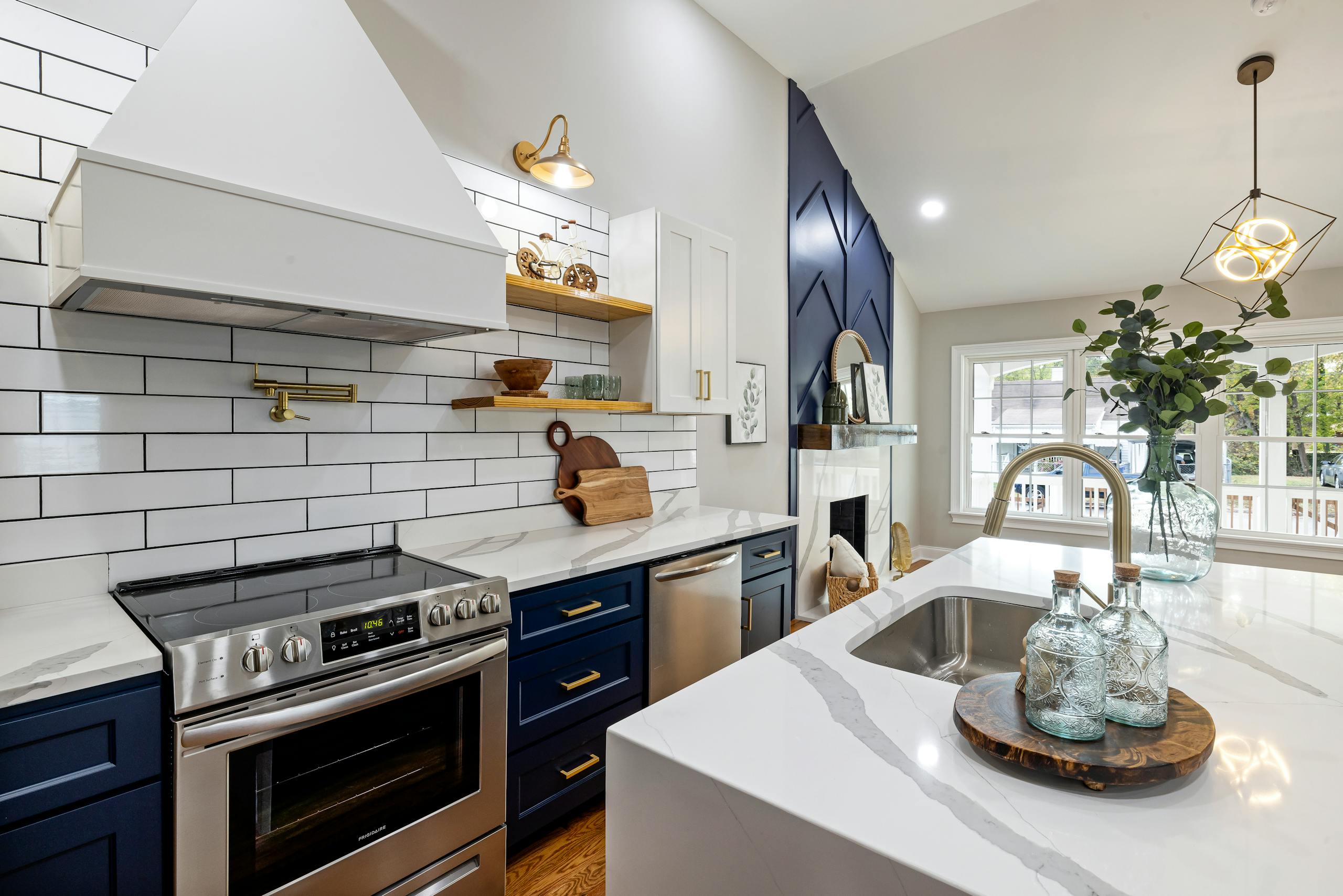
Expanding your home is a major milestone that brings new possibilities and added value to your property in Hurricane, UT. Whether you are finishing a basement, adding a master suite, or converting a garage into a functional living space, the excitement of a remodel is often centered on aesthetics and layout. However, the most critical factor for the long term enjoyment of that new space is often invisible. Proper climate control is the difference between a room that feels like a natural extension of your home and one that remains unusable for half the year. Choosing the right HVAC system for an addition requires a careful balance of engineering, budget, and existing infrastructure.
Many homeowners assume they can simply extend their current ductwork into the new area. While this is sometimes possible, it is rarely as simple as cutting a hole and adding a vent. Your existing furnace and air conditioner were sized specifically for the original square footage and layout of your home. Adding more volume to that load can strain the system, lead to uneven temperatures, and shorten the lifespan of your expensive equipment. Evaluating your options early in the design phase is the best way to ensure your new space stays perfectly comfortable without compromising the rest of your home.
The Risks of Overextending Your Current System
The most common mistake during a home addition is assuming the current HVAC unit has enough extra capacity to handle the new square footage. HVAC systems are precision engineered to manage a specific amount of air. When a professional installs a system, they perform a load calculation based on the home’s size, insulation, window placement, and local climate. This ensures the unit is neither too small nor too large. If you add several hundred square feet to a system that is already at its limit, you create a cascade of problems.
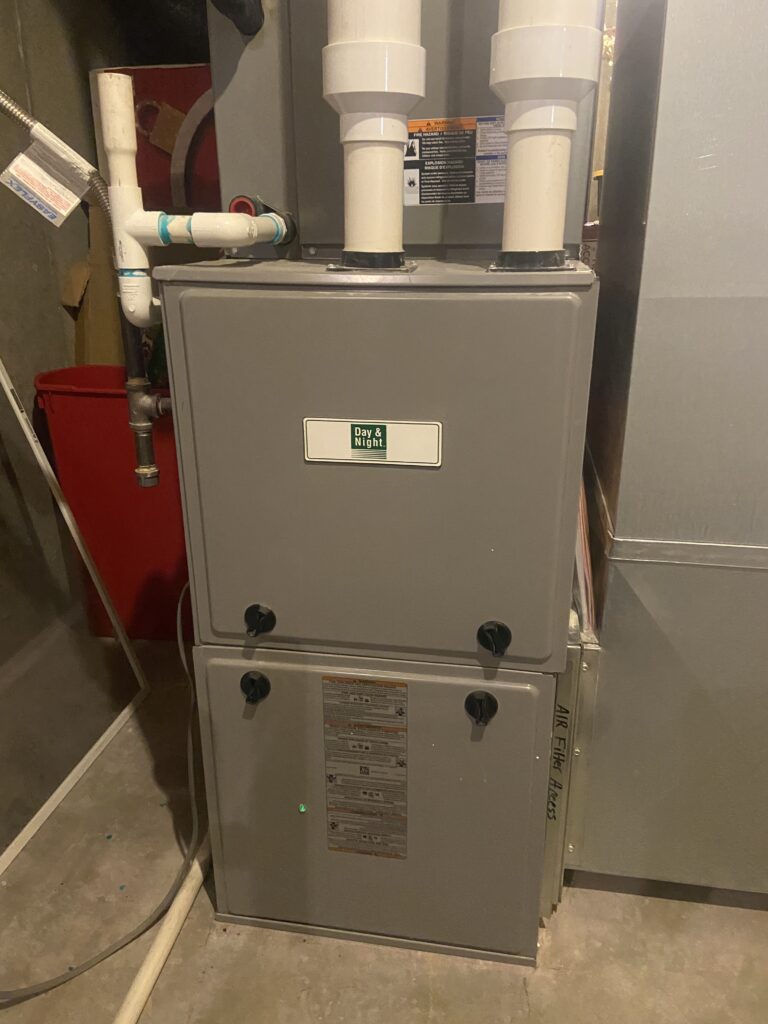
The primary issue is a lack of comfort throughout the entire house. Because the system is now undersized for the total area, it will struggle to reach the set temperature on the thermostat. You may find that the new addition stays cold in the winter while the original bedrooms become uncomfortably hot. The furnace will run for much longer cycles, trying in vain to satisfy the thermostat. This constant operation leads to massive energy waste and spikes in your monthly utility bills. You end up paying more for a home that never feels quite right.
Mechanical failure is another serious risk of overextension. When a furnace or air conditioner runs non stop to compensate for an increased load, the internal components experience accelerated wear and tear. Blower motors can burn out prematurely, and compressors are put under extreme stress. In the winter, an overtaxed furnace can overheat, leading to a cracked heat exchanger. This is a dangerous situation that can leak carbon monoxide into your home. Before you decide to tap into existing ducts, it is vital to have a professional from Heatwave Solutions perform a new load calculation to see if your current equipment can actually handle the change.
The Versatility of Ductless Mini Split Systems
For many remodels and additions in Hurricane, a ductless mini split system is the most efficient and practical solution. These systems consist of an outdoor compressor unit and one or more indoor air handling units mounted on the wall or ceiling. They do not require any connection to your existing ductwork, which makes them ideal for spaces where extending ducts is difficult or impossible, such as a converted garage or a new sunroom.
Need a mini split install? Click here for our mini split installation service.
The greatest advantage of a mini split is independent zone control. The new addition essentially gets its own thermostat. You can keep the new guest suite at a perfect 70 degrees without affecting the temperature in the rest of the house. This is not only a matter of comfort but also efficiency. If the new room is not being used, you can set the temperature higher or lower to save energy, a feat that is impossible with a centralized system. Modern mini splits are incredibly quiet and use advanced inverter technology to maintain precise temperatures with minimal electricity.
Installation of a ductless system is relatively non invasive compared to traditional HVAC work. Instead of tearing open walls to run bulky metal ducts, the indoor and outdoor units are connected by a small bundle of wires and refrigerant lines. This bundle only requires a three inch hole through an exterior wall. This preserves the structural integrity of your remodel and allows for more flexible interior design. For homeowners looking for a high efficiency, low stress cooling and heating option for a specific area, the mini split is often the superior choice.
Evaluating a Full System Upgrade
If your current HVAC system is more than 12 or 15 years old, a home addition might be the perfect catalyst for a complete system replacement. While the upfront cost is higher than adding a single mini split, a full upgrade can provide a better return on investment over time. By installing a new, larger, high efficiency system, you can ensure the entire expanded home is heated and cooled by a single, modern unit designed to handle the new total square footage.

Modern furnaces and air conditioners are significantly more efficient than those manufactured just a decade ago. An upgrade allows you to move from an old 80 percent AFUE furnace to a 95 percent or higher condensing model. This change can lower your energy bills enough to help offset the cost of the remodel over several years. A new system also comes with a full manufacturer’s warranty, providing peace of mind as you move into your newly renovated home.
During this process, it is also worth considering a zoned central system. This involves installing motorized dampers within your ductwork that open and close based on the needs of different areas of the house. You can create a zone for the new addition and another for the main living area. This gives you the convenience of a central system with the individual control typically associated with ductless units. A professional evaluation can help you determine if your existing ductwork is in good enough condition to support this type of advanced configuration.
Managing Airflow and Ductwork Design
If you do decide to extend your existing central system, the design of the new ductwork is just as important as the capacity of the furnace. Proper airflow is a science. Simply running a flexible duct from the nearest point in the attic to the new room is often insufficient. This approach frequently results in “dead legs” where the air pressure is too low to effectively heat or cool the space.
Want to know debunked HVAC myths? Click here for more information.
The new ducts must be sized correctly to maintain the right static pressure throughout the system. If the new run is too long or has too many bends, the air will lose velocity before it reaches the vent. This means the furnace might be producing plenty of heat, but that heat never actually makes it into the new room. We often see additions that remain uncomfortable simply because the ductwork was treated as an afterthought during the construction process.
Return air is the other half of the equation that is frequently ignored. For a room to be heated or cooled, air must be able to circulate back to the furnace. If you add a supply vent to a new bedroom but do not provide a return path, the room will become pressurized. This pressure prevents new, conditioned air from entering the space. A professional installation ensures that the new addition has adequate return air grilles, allowing for the balanced circulation necessary for consistent comfort and healthy indoor air quality.
Climate Considerations for Southern Utah Additions
Hurricane and the surrounding areas present specific challenges for home additions due to our desert climate. The intense summer sun can turn a poorly planned addition into a greenhouse. When choosing a system, you must account for the solar heat gain of the new space. A room with large, south facing windows will require significantly more cooling capacity than a basement remodel with minimal sun exposure.

Insulation levels in the new addition should meet or exceed current building codes to reduce the load on your HVAC system. Better insulation allows you to choose a smaller, more affordable heating and cooling unit. We also recommend considering the orientation of the addition. If the new space is located on a far wing of the house, the heat loss through the increased exterior wall surface can be substantial.
In our dry environment, indoor air quality and humidity control are also important factors. Adding more square footage means your existing air purification or humidification systems will have more air to treat. If you are finishing a basement, you may need to consider how the new HVAC setup will manage moisture to prevent mold and mildew. Integrating these considerations into your system choice ensures that your remodel is not just beautiful, but also healthy and structurally sound for the long term.
The Importance of Professional Load Calculations
The only way to be certain about the right HVAC choice for your remodel is through a professional Manual J load calculation. This is a detailed engineering report that accounts for every variable of your new space. It considers the square footage, the height of the ceilings, the type of insulation in the walls and roof, the number and orientation of windows, and even the number of people likely to occupy the room.
Guessing at the size of a system based on square footage alone is a recipe for failure. An oversized system will short cycle, turning on and off constantly, which wastes energy and fails to dehumidify the air. An undersized system will run non stop and never achieve the desired temperature. A Manual J calculation takes the guesswork out of the process, ensuring you get a system that is perfectly tailored to the unique needs of your home expansion.
At Heatwave Solutions, we believe in doing the job right the first time. We work with homeowners and contractors during the planning stages to provide accurate data and honest recommendations. Whether the best solution is a dedicated mini split, a full system upgrade, or a carefully engineered extension of your current ducts, we ensure the technical foundation is solid. This professional approach protects your investment and ensures your new remodel is a place of comfort and relaxation.
A home remodel or addition is a significant investment in your family’s future and your property’s value. While flooring, paint, and lighting are the visible signs of a successful project, the HVAC system is the invisible force that makes the space truly livable. Choosing the right system requires looking beyond the immediate cost and considering the long term impact on comfort, energy efficiency, and equipment longevity. Overextending an old unit is a risk that rarely pays off, while modern solutions like ductless mini splits or high efficiency system upgrades offer unparalleled performance.
By involving a professional early in your renovation journey, you can avoid the common pitfalls of poor airflow and mismatched capacity. We help you navigate the complexities of load calculations and ductwork design to find the solution that fits your specific budget and goals. Your new space deserves to be the most comfortable room in the house. Contact Heatwave Solutions in Hurricane today to discuss your remodel plans and let us help you build a comfort system that stands the test of time.