

How to Prevent Emergency Heating Repairs This Winter

The onset of winter in Hurricane, UT, often brings a sudden shift in daily priorities for homeowners. While our region is known for its beautiful landscapes and generally mild seasons, the winter months can deliver surprisingly sharp drops in temperature, especially once the sun dips behind the red rocks. During these times, your furnace or heat pump becomes the most vital appliance in your home. It operates silently in the background, maintaining a safe and comfortable environment for your family. However, the heavy workload placed on heating systems during a cold snap can lead to unexpected failures. An emergency heating repair is not just a financial burden; it is a stressful event that can leave your household in a precarious and uncomfortable situation during a freeze.
Most emergency repairs are the result of neglected maintenance or small issues that were allowed to snowball into catastrophic failures. A proactive approach is the most effective way to ensure your heating system remains reliable when you need it most. By understanding the common causes of furnace breakdowns and taking simple, preventative steps, you can significantly reduce the likelihood of a midnight service call. Prevention is always more cost effective and less stressful than a reactive fix in the middle of a winter storm. Maintaining your system is an investment in your home’s infrastructure and your family’s peace of mind.
The Critical Importance of Airflow Management
Airflow is the lifeblood of any HVAC system. Without a steady and unobstructed flow of air, your furnace cannot effectively distribute heat throughout your home. More importantly, restricted airflow is the leading cause of mechanical failure and emergency repairs. When air cannot move freely, the internal components of the furnace, particularly the heat exchanger, begin to overheat. Most modern furnaces are equipped with safety sensors designed to shut the system down if it gets too hot, leading to a situation known as short cycling. This constant starting and stopping puts immense strain on the blower motor and electrical components.
The most basic and essential preventative task is regularly changing your air filter. A dirty or clogged filter acts like a wall, forcing your furnace to work twice as hard to pull air through the system. During the peak of winter, you should check your filter every thirty days. If you have pets or a large household, you may need to replace it even more frequently. A fresh filter ensures that your furnace can breathe easily, which protects the motor from burning out and prevents the system from tripping safety switches that lead to a no heat situation.
Beyond the filter, you must also pay attention to your vents and return grilles. It is common for homeowners to close vents in unused rooms or cover them with furniture and rugs. This is a mistake that can severely unbalance the system’s pressure. Your furnace is sized to move a specific volume of air. If you block vents, you increase the static pressure within the ductwork, which can lead to leaks and cause the blower motor to overheat. Ensuring that all supply and return vents are clear and unobstructed allows the system to operate at its designed efficiency, reducing the risk of a sudden breakdown.
Addressing Unusual Noises and Smells Early
Your heating system often provides subtle warnings before it fails completely. Being attentive to changes in how your furnace sounds or smells can help you catch a problem while it is still a minor repair. A well maintained furnace should operate with a consistent, low hum. If you start to hear screeching, banging, or persistent rattling, these are clear indicators that a mechanical part is failing. Screeching often points to a worn out blower belt or failing motor bearings, while banging can indicate a delayed ignition issue.
Need your furnace repaired? Click here for our furnace repair service.
Ignoring these sounds is a guaranteed path to an emergency repair. A loose belt is a cheap and quick fix, but if that belt snaps in the middle of the night, your furnace will stop producing heat immediately. Similarly, a rattling sound might indicate that a component has vibrated loose. If left unaddressed, that part can fall off and cause significant collateral damage to other internal pieces. Taking a few minutes to listen to your furnace at the start of the season can save you from a very expensive and poorly timed service call later on.
Smells are equally important diagnostic tools. It is normal to smell a slight dusty odor the very first time you turn your furnace on for the year, as the dust that settled on the heat exchanger burns off. However, if you smell a persistent burning plastic odor or a metallic scent, this suggests electrical components are overheating or melting. Even more critical is the smell of sulfur or rotten eggs, which indicates a natural gas leak. If you ever detect this smell, you should leave the house immediately and call for professional help. Addressing these sensory red flags early prevents small mechanical hiccups from turning into safety hazards.
The Role of Professional Preventative Maintenance
While there are several tasks a homeowner can perform, there is no substitute for a professional tune up. A certified technician from Heatwave Solutions has the tools and expertise to see deep inside your heating system where a homeowner cannot. During a professional maintenance visit, every critical component is cleaned, tested, and calibrated. This includes the burners, the flame sensor, and the ignitor. These small parts are often the culprits behind a furnace that refuses to light on a cold morning.
A professional inspection also includes a thorough check of the heat exchanger for cracks or signs of fatigue. This is a vital safety step, as a compromised heat exchanger can leak deadly carbon monoxide into your home. A technician will also test the gas pressure and the integrity of the venting system. Ensuring the fuel to air ratio is correct not only prevents breakdowns but also ensures your furnace is running as efficiently as possible, which saves you money on every utility bill.
We often compare furnace maintenance to an oil change for a car. You wouldn’t expect your vehicle to run forever without regular service, and your HVAC system is no different. A preventative tune up allows a technician to identify weak capacitors or failing sensors before they quit. Replacing a twenty dollar part during a scheduled visit is far better than replacing a five hundred dollar motor on an emergency basis. Scheduling this service in the fall ensures your system is in peak condition before the first major cold front arrives in Hurricane.
Protecting the Thermostat and Electrical Connections
The thermostat is the brain of your heating system, and if the brain is malfunctioning, the rest of the system will follow suit. Sometimes, an emergency “no heat” call is caused by something as simple as a dead battery in the thermostat. Before the cold weather sets in, replace the batteries in your thermostat to ensure it has a consistent power supply. A flickering or blank screen is a sign that the unit is struggling to communicate with the furnace.
Want to know why DIY furnace repairs aren’t recommended? Click here for more information.
You should also consider the location and age of your thermostat. If your thermostat is old and uses mechanical contacts, it may no longer be accurate, causing your furnace to run longer cycles than necessary. Upgrading to a modern programmable or smart thermostat can reduce the wear and tear on your furnace by managing heating cycles more precisely. Furthermore, ensure the thermostat is not located near a drafty window or a heat source like a kitchen stove, as this will result in false readings that force the system to cycle incorrectly.
Electrical connections within the furnace itself can also loosen over time due to the natural vibrations of the unit. During a maintenance visit, a technician will tighten all electrical terminals. Loose wires can lead to short circuits, blown fuses, or even fire hazards. If your furnace keeps tripping the circuit breaker, do not keep resetting it. This is a sign of an electrical fault that needs immediate attention. Proactively ensuring the electrical integrity of the system prevents sudden losses of power when the demand for heat is at its highest.
Maintaining the Area Around Your Furnace
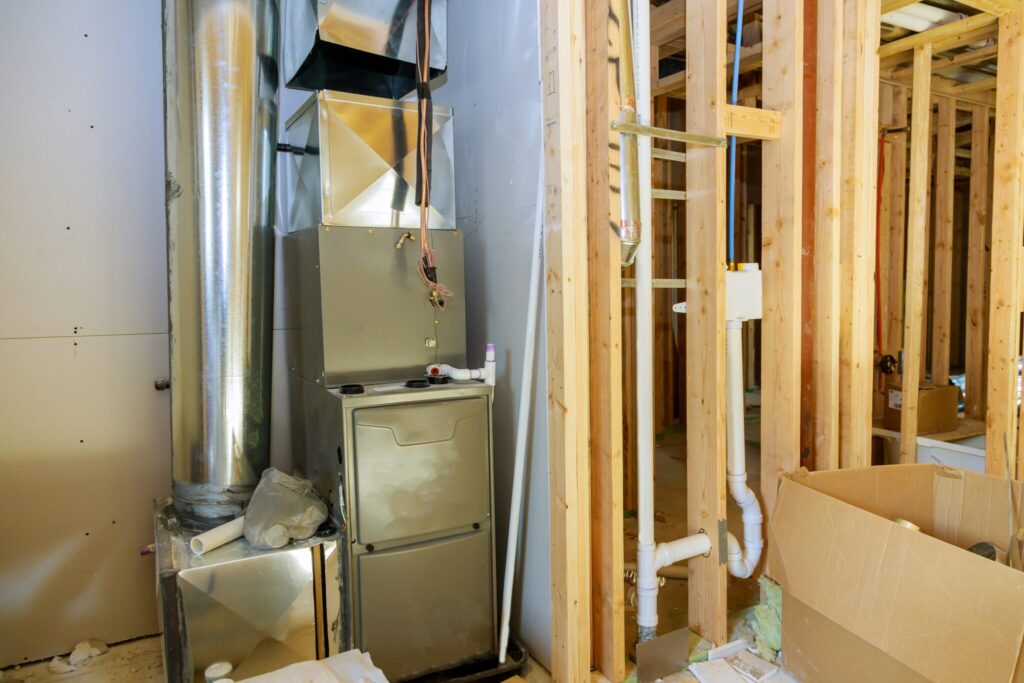
The physical environment where your furnace is located plays a role in its longevity and safety. Many furnaces in Southern Utah are located in garages, utility closets, or basements. These areas often become catch all storage spaces for holiday decorations, cleaning supplies, and other household items. It is vital to maintain a clear zone of at least three feet around your furnace at all times.

A furnace needs a steady supply of fresh air for the combustion process. If the area is cluttered, you may be starving the furnace of the oxygen it needs to burn fuel cleanly. Furthermore, storing flammable materials like gasoline, paint thinners, or even piles of laundry near the furnace is a significant fire risk. A cluttered furnace area also makes it difficult for a technician to perform repairs, which can increase the labor time and cost of a service call.
Keeping the area clean also prevents dust and pet hair from being sucked into the intake vents of the furnace. Even with a good filter, excessive dust in the immediate vicinity of the unit will eventually find its way into the sensitive internal components. By keeping the mechanical room or closet tidy, you are providing your heating system with the clean, safe environment it needs to operate reliably. It is a simple, no cost way to support the health of your home’s most important winter appliance.
Preventing an emergency heating repair is a year round mindset that pays off when the temperatures drop. By focusing on consistent airflow through regular filter changes and vent management, you address the most common cause of system failure. Being alert to new sounds and smells allows you to act on warnings before they become crises. While DIY efforts are helpful, the foundation of a reliable system is professional preventative maintenance, which catches hidden flaws and ensures safety.
Your furnace is a complex piece of machinery that requires care to function at its best. Taking the time to check your thermostat, secure your electrical connections, and clear the area around the unit are small steps that lead to big results. These actions not only prevent the stress of a no heat emergency but also extend the life of your equipment and keep your energy costs manageable. Do not wait for the first freezing night to think about your heater. Contact Heatwave Solutions in Hurricane today to schedule your seasonal tune up and ensure your home stays warm and safe all winter long.