

What Is the Best Temperature to Set Your Thermostat?
The thermostat is the most interactive component of your home’s heating and cooling system. It is the simple box that dictates your comfort and controls a significant portion of your monthly energy budget. Homeowners often grapple with a complex internal debate when adjusting the temperature. Should you prioritize energy savings, sacrificing a little comfort, or should you keep the house perfectly regulated, accepting a higher utility bill? Finding the best temperature is not a simple matter of choosing a single number. It is a carefully calculated balance between system efficiency, personal comfort needs, and the demands of the climate in Hurricane, UT.
The goal is to operate your HVAC equipment as little as possible while maintaining a safe and comfortable environment. This requires leveraging specific temperature setbacks during certain times of the day. The most efficient temperature setting is almost never the one that keeps you the most comfortable 24 hours a day. The key to maximum savings and peak performance lies in automation and consistency, not manual adjustments. We explore the recommended baselines and the scientific reasons why changing the temperature at night or when you leave the house is the single most effective way to lower your energy consumption.
The Core Rule for Maximum Energy Savings
Across the HVAC industry, energy experts and the Department of Energy agree on a fundamental rule for saving money with your thermostat. This rule is based on the principle of reducing the temperature differential. The temperature differential is the difference between the temperature inside your home and the temperature outside your home. The smaller the difference between the two, the less work your heating or cooling system must do, and the more energy you save.
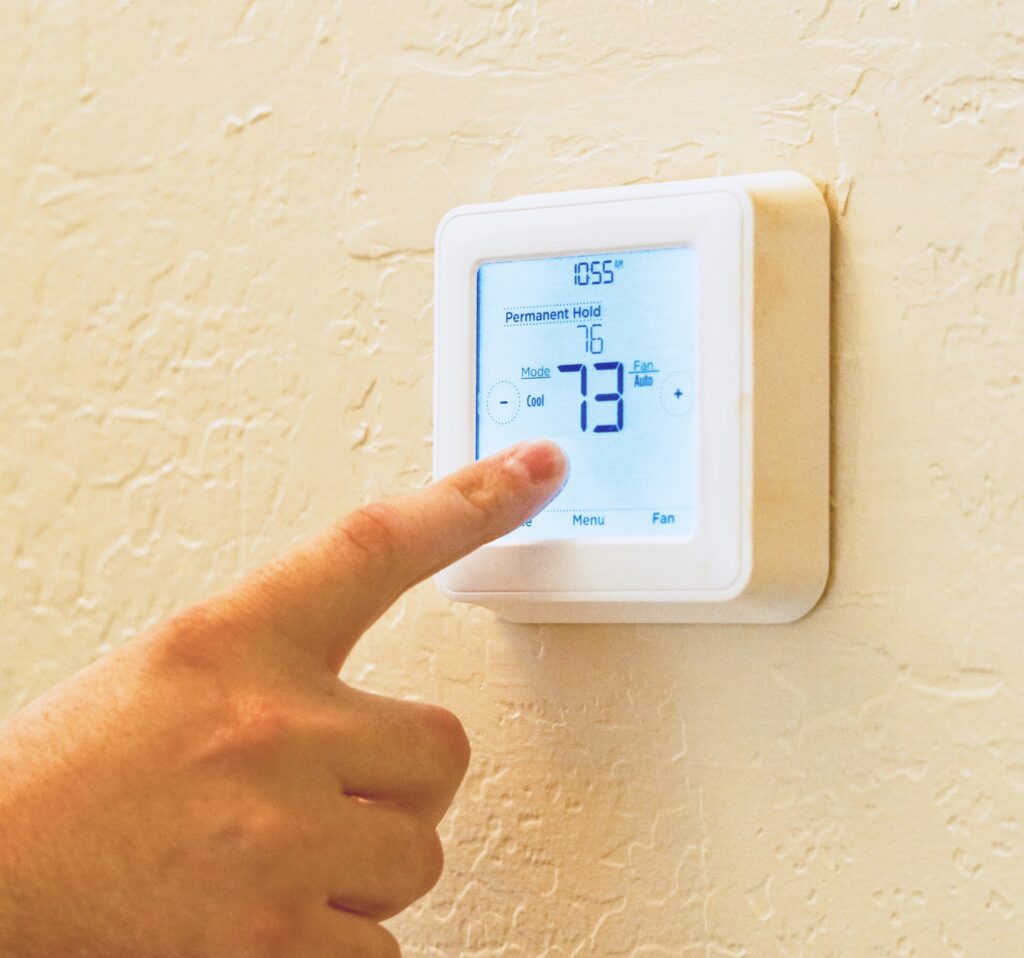
The general recommendation for savings is to adjust the temperature setting by 7 to 10 degrees from your standard setting for at least eight hours per day. This strategy works equally well in both winter and summer. For example, if you typically keep your home at 72 degrees in the winter, lowering it to 62 degrees when you are asleep or away from home for eight hours can reduce your heating bill by up to 10 percent annually. This is a substantial saving accomplished by one simple adjustment.
The best temperature setting is therefore a combination of two numbers: the comfort temperature and the setback temperature. The efficiency of the system is entirely dependent on how successfully you manage this setback. A temperature that is optimized for energy savings is not one that requires constant manual fiddling. It is one that is scheduled and automatically enforced by a reliable thermostat.
Optimal Winter Temperature Settings
When the cold air hits Hurricane, UT, the furnace is your primary defense against heat loss. Understanding the most efficient way to use that furnace is critical for managing your winter bills.
The recommended baseline temperature for home heating when the house is occupied and you are awake is 68 degrees Fahrenheit. This temperature is widely accepted as the sweet spot for comfort that still allows for significant energy savings. Setting the temperature higher, such as to 72 or 75 degrees, can significantly increase your utility consumption. For every degree you raise the temperature above 68, you can expect your energy usage to increase by approximately three percent.
Need a thermostat installed? Click here for our thermostat installation service.
The greatest savings occur when you implement a nighttime or away setback. When you are asleep or when the house is empty, your body does not require the air to be as warm. Setting the thermostat back to 60 or 62 degrees for eight hours is highly recommended. The myth that it takes more energy to reheat the house in the morning than it saves during the setback is entirely false. Scientific evidence confirms that allowing the house temperature to drop saves much more energy than the small amount needed to reheat it. This is because the furnace is working against a lower temperature differential for the entire duration of the setback.
A critical exception applies to homes using heat pumps. Heat pumps draw heat from the outside air and are most efficient when they are allowed to maintain a consistent temperature. They do not handle large, sudden temperature swings well. If you set a heat pump back by 10 degrees, the auxiliary electric resistance heating may kick in to quickly raise the temperature. This auxiliary heat is much more expensive to run than the heat pump itself. Therefore, if you use a heat pump, limit your setback to a maximum of four degrees. This ensures the unit can raise the temperature without relying on costly backup heat.
Optimal Summer Temperature Settings
Southern Utah is known for its intense summer heat, making air conditioning a non negotiable expense. Just like with heating, the goal for cooling is to manage the differential between the cool indoor air and the blistering outdoor temperatures. The recommended baseline temperature for air conditioning when the house is occupied is 78 degrees Fahrenheit.
Setting the thermostat to 78 degrees provides a comfortable environment without demanding excessive power from your air conditioner. Lowering the temperature to 72 or 70 degrees forces your AC unit to run longer and more frequently, often cycling constantly in an attempt to hit a nearly impossible target against 100 plus degree heat. This constant cycling puts immense strain on your compressor and greatly increases energy consumption.
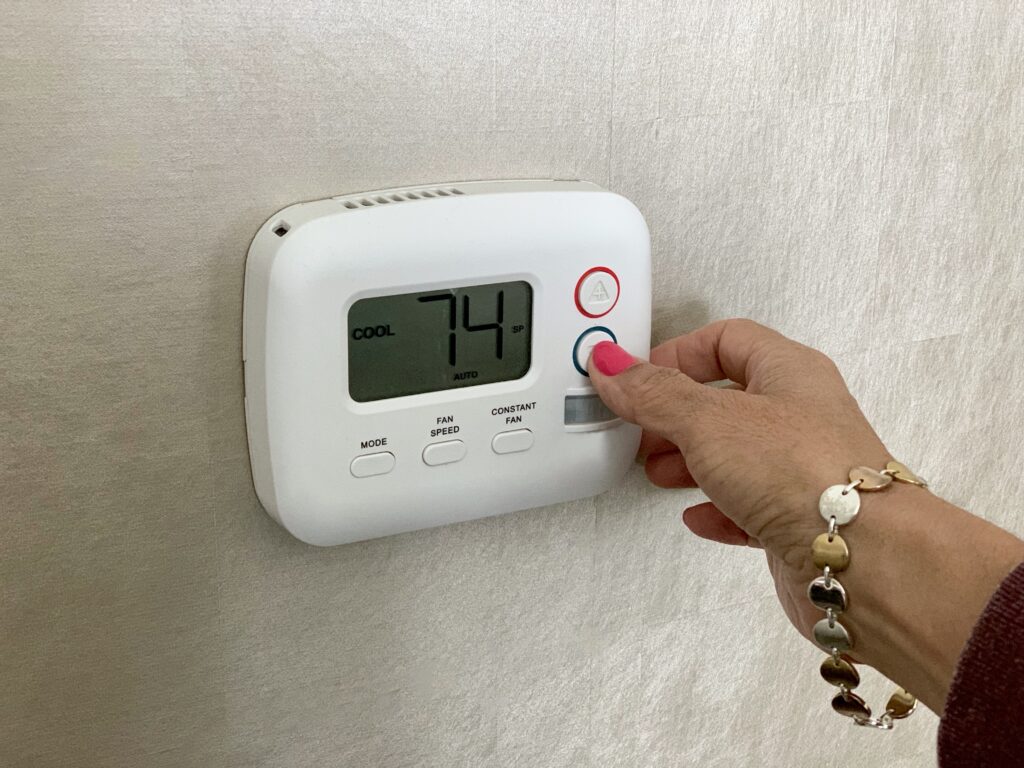
When you leave the house for several hours, you should set the thermostat higher. Aim for a setting around 85 or 88 degrees. Do not turn the air conditioner off completely. Allowing the temperature to rise too high can cause two major problems. First, it significantly increases the time and energy needed for the AC to pull the temperature down when you return. Second, and more importantly, it allows humidity to build up inside the home. High humidity can lead to mold and mildew issues, which are costly and unhealthy. By keeping the setting at 85 degrees, you save energy while still allowing the system to occasionally run and manage indoor humidity levels.
Again, the savings are achieved during the period when the temperature is set higher. The amount of energy needed to cool the house back down upon your return is far less than the energy saved by avoiding constant cooling against the daytime heat for eight hours. This setback strategy is essential for achieving cost effective cooling during the peak summer months.
The Myth of Cranking the Thermostat
One of the most pervasive and expensive habits we see among homeowners is the belief that setting the thermostat to an extreme temperature will speed up the heating or cooling process. For example, if the house is 65 degrees and you want it to be 70, you set the thermostat to 85 degrees, believing this will force the furnace to work faster. This is entirely untrue and results in massive energy waste.
Your furnace or air conditioner is designed to operate at a fixed capacity. A standard, single stage unit has two states: fully on or fully off. Setting the thermostat higher than your target temperature will not make the furnace produce heat any faster. It will simply cause the furnace to continue running until the temperature reaches that unnecessary 85 degree setting. You will then have to manually reset the thermostat back down, or you will quickly overheat and waste a significant amount of fuel.
The correct way to operate your thermostat is to set it exactly to your desired temperature, then leave it there. This allows the system to follow its normal, efficient cycle until the set point is reached. Cranking the thermostat is a relic of old, inaccurate mechanical systems. With modern digital and smart thermostats, this habit only leads to discomfort and inflated utility bills. Always set the thermostat to the temperature you actually want to achieve.
The Role of Thermostat Technology
Achieving the efficient temperature setbacks recommended by energy experts requires consistency, and consistency is best delivered by automation. Manually adjusting the thermostat multiple times a day is difficult to sustain. Most people forget, or they compromise on the setback because they do not want to return home to an overly cold or hot house. This is where modern thermostat technology provides immense value.
An old, manual thermostat relies entirely on the homeowner’s discipline, leading to highly inefficient operation. Upgrading to a programmable thermostat is the first major step toward solving this problem. A programmable unit allows you to create a detailed schedule based on your routine. You can program the thermostat to automatically lower the temperature 10 degrees at 11 PM when everyone is asleep. You can program it to raise the temperature at 6 AM so the house is comfortable when you wake up. These schedules can be set for 7 days, 5 2 days, or other variations, ensuring your home is only fully heated or cooled when you are actually there to enjoy it.
Want to know the benefits of a smart thermostat? Click here for more information.
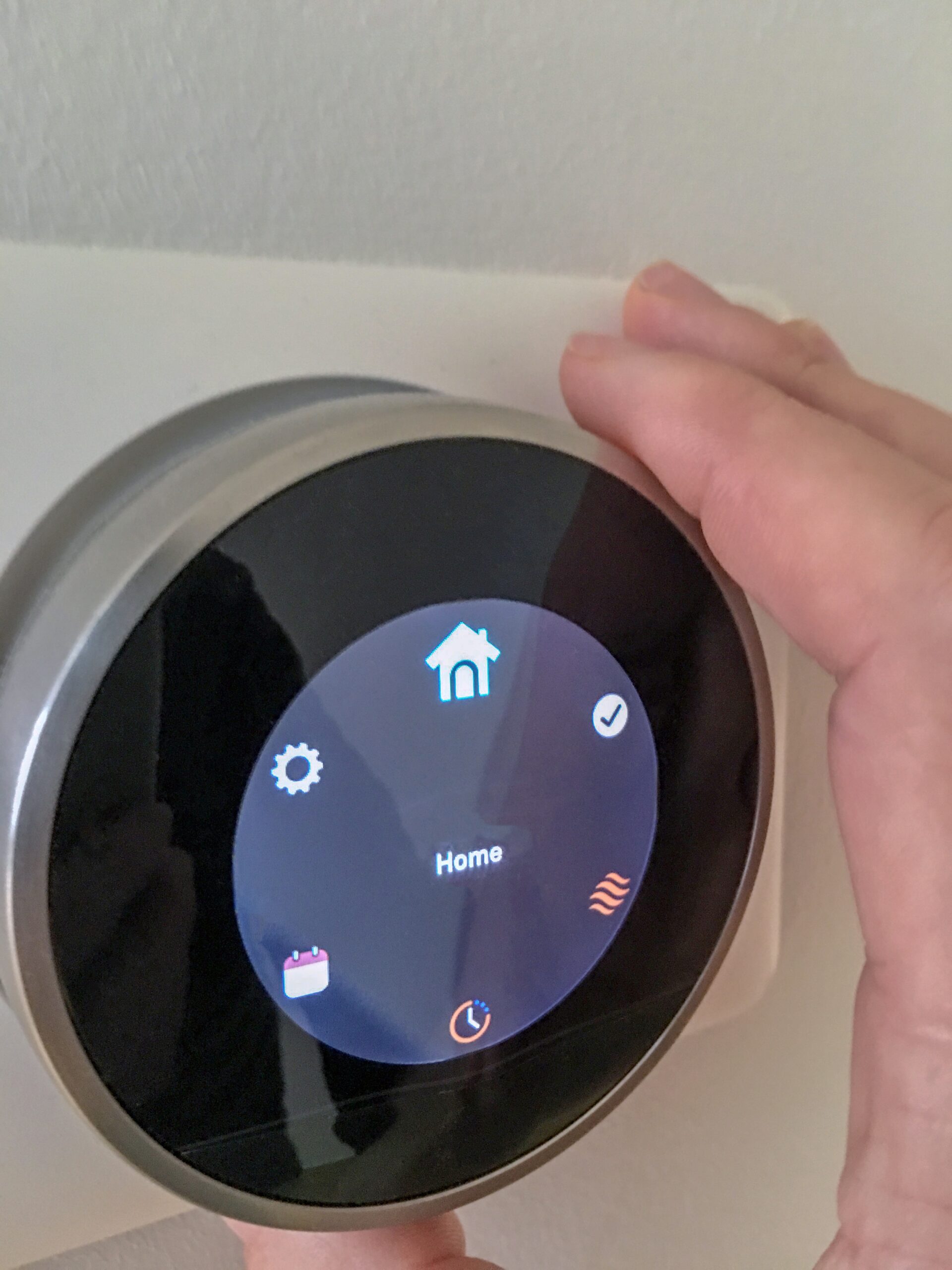
Smart thermostats, which connect to your home’s Wi Fi, take this automation to the highest level. These devices offer features like learning algorithms, which observe your habits and build an optimal schedule for you. They offer geofencing, which uses your smartphone’s location to determine if the house is occupied. If you leave unexpectedly, the thermostat automatically enters an energy saving mode. If you are on your way home, it starts preparing the house for your return. These intelligent features ensure that the crucial 7 to 10 degree setbacks are enforced consistently, maximizing savings without sacrificing comfort.
Balancing Safety and System Health
While maximizing efficiency is important, you should never set your thermostat to an extreme temperature that risks your home’s integrity or your system’s health. There are limits to how far you should push the setback, particularly in the winter.
Setting the thermostat too low during the winter is a risk. While you can save energy by letting the house cool down, you should never allow the temperature to drop below 55 degrees Fahrenheit. Freezing temperatures can cause water pipes to burst, leading to devastating and expensive water damage. The cost of a burst pipe is exponentially greater than any savings gained by turning the furnace off completely. The minimal energy used to maintain a low temperature of 58 degrees is an inexpensive insurance policy against this catastrophe.

In the summer, setting the temperature too high can also have negative consequences. Allowing the indoor temperature to soar past 88 or 90 degrees can allow excessive humidity to build up, especially if the air conditioning does not run often enough to dehumidify the air. High humidity promotes the growth of mold and mildew. Maintaining a temperature below 85 degrees, even when away, helps keep humidity levels in check.
Consistent operation is also healthier for your HVAC equipment. Constant, extreme temperature spikes put undue stress on your furnace and air conditioner. By maintaining the recommended baselines and implementing the scheduled setbacks, you are helping your system run in a stable, predictable manner. This reduces wear and tear, prevents thermal shock, and extends the overall life of your equipment.
How Heatwave Solutions Optimizes Your Settings
Knowing the optimal temperature is one thing; achieving it reliably is another. For homeowners in Hurricane, UT, the solution lies in pairing expert advice with the right technology. At Heatwave Solutions, we do not just install equipment. We provide comprehensive solutions designed to maximize your home’s comfort and efficiency based on your specific needs.
If you have an old, inaccurate thermostat, it is impossible to enforce these efficient settings. We specialize in thermostat installation, guiding you to the best programmable or smart unit for your lifestyle. We ensure the new thermostat is wired and calibrated correctly for your furnace or heat pump. A thermostat that is not properly calibrated can result in inaccurate readings, sabotaging your efficiency efforts.
Furthermore, we can perform a home energy assessment during a maintenance visit. We check for common issues that defeat efficient thermostat settings, such as leaky ductwork or airflow restrictions. A system that is struggling due to a clogged filter or a faulty blower motor will never run efficiently, regardless of the thermostat setting. Our professional maintenance ensures that when the thermostat sends the 62 degree setback signal, the system reacts efficiently and reliably. We empower you with the tools and the knowledge necessary to achieve year round energy savings.
The best temperature to set your thermostat is not a fixed number. It is a dynamic set of settings that balances your need for comfort with your desire for energy savings. The most critical lesson is that efficiency is achieved through automation and discipline. The secret to lower utility bills is consistently implementing setbacks of 7 to 10 degrees during the periods when your home is unoccupied or when you are asleep. Avoid the costly habit of cranking the thermostat. Instead, rely on technology to enforce the savings for you.
For the most precise control and the greatest efficiency, upgrading to a programmable or smart thermostat is the single best investment you can make. It transforms your heating and cooling management from a manual chore into an automated, money saving process. Do not let another season go by overpaying for your comfort. Contact Heatwave Solutions in Hurricane today. We can help you select the ideal thermostat, install it professionally, and set you up for peak performance, ensuring your home is comfortable and cost effective year round.